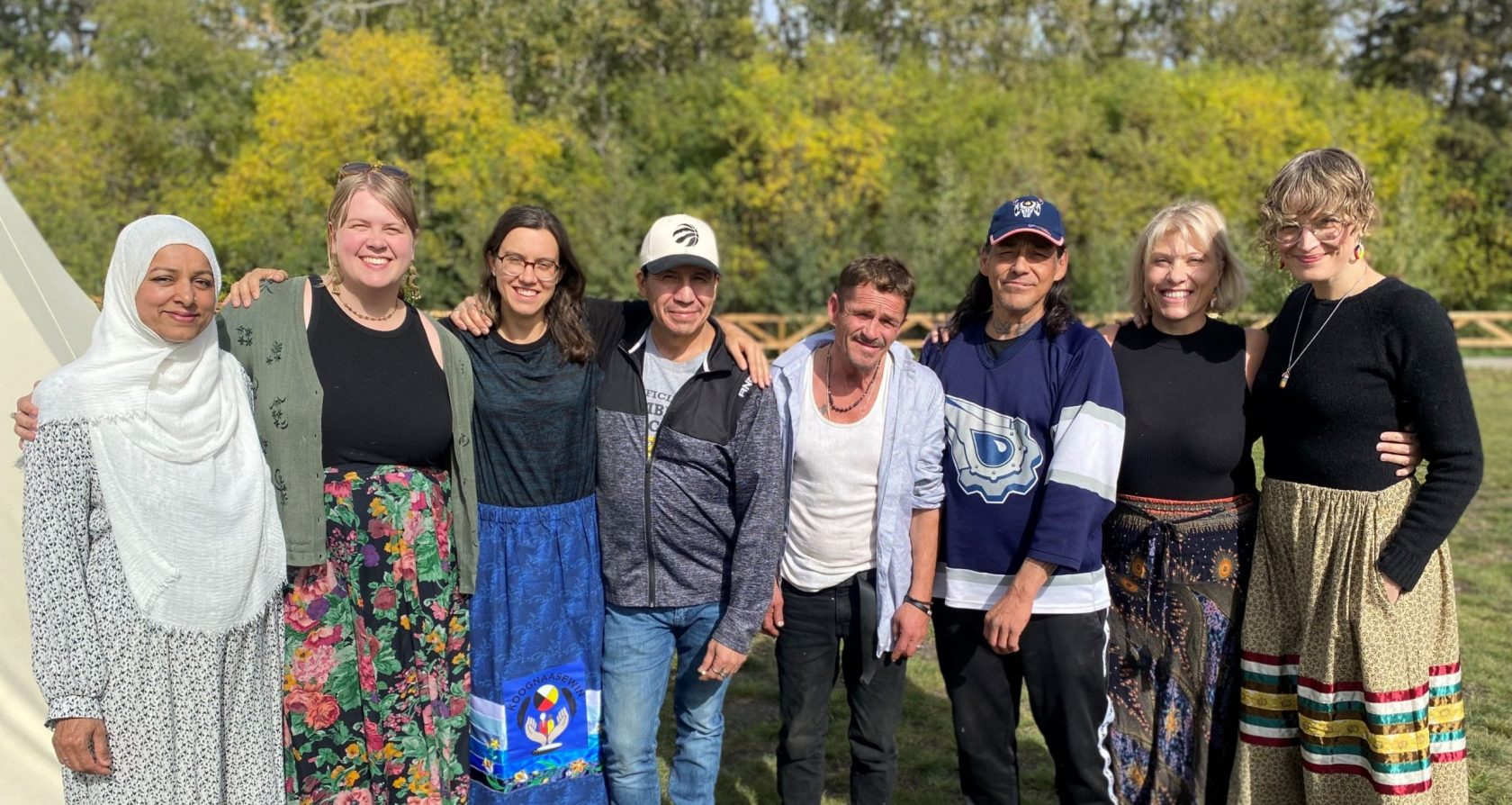
Soloss is an evidence-based model for collective care that responds to unacknowledged grief and loss. By building local capacity to be with and bear witness to loss, Soloss opens-up space for healing.

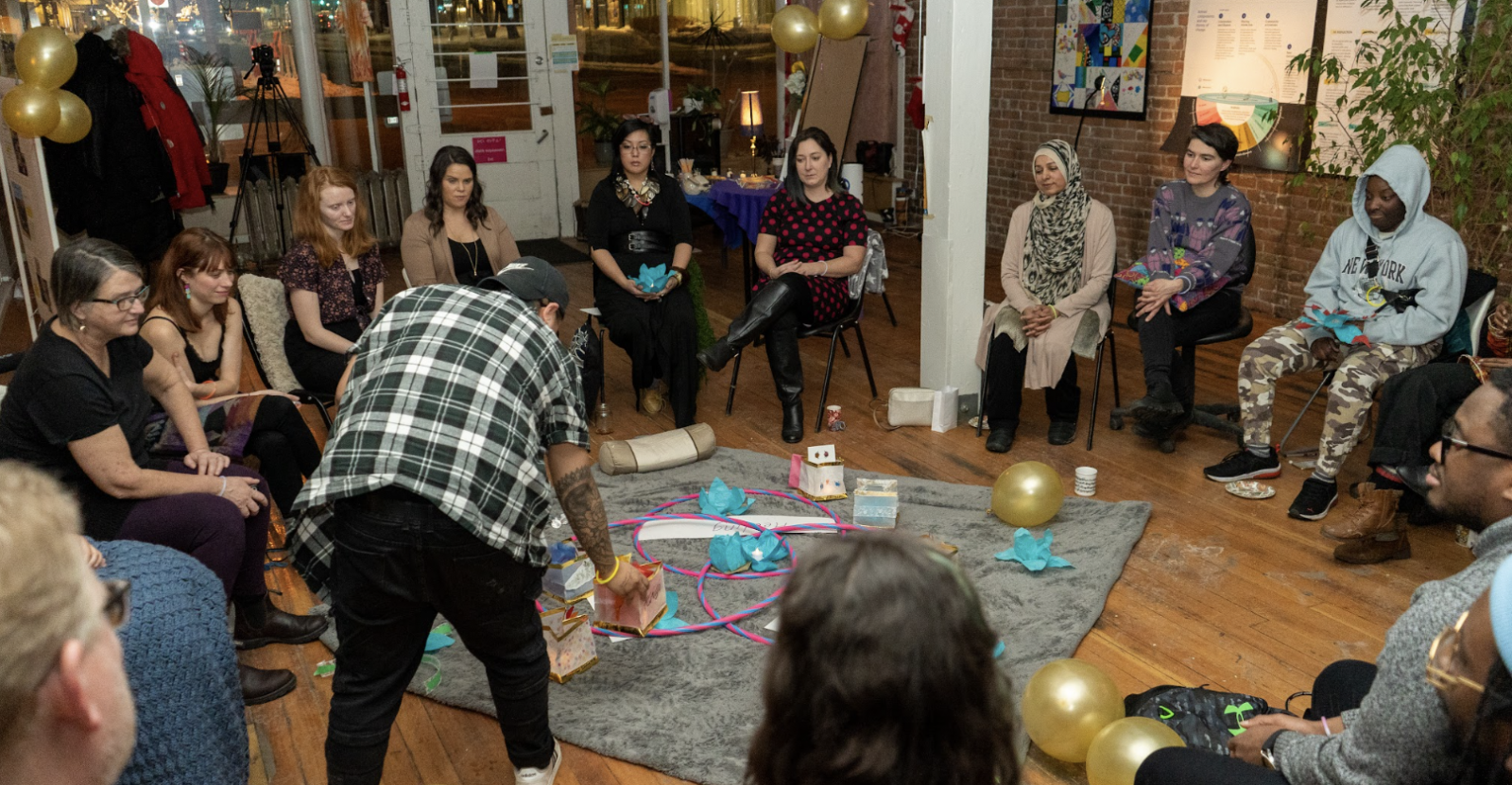

Soloss is
A community network
A network of heart-centred people from many walks of life, who have experienced their own losses & want to journey with others.
Cohort-based training
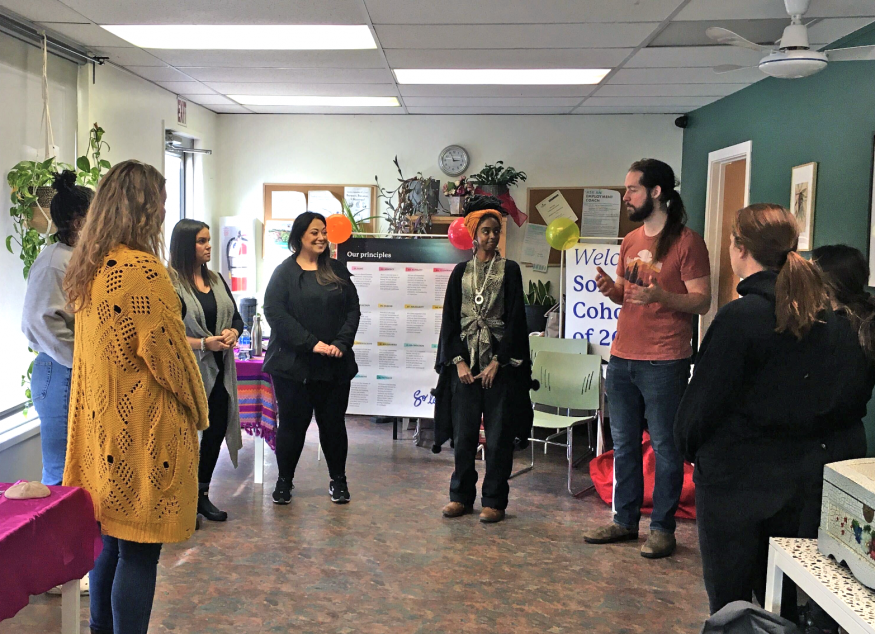
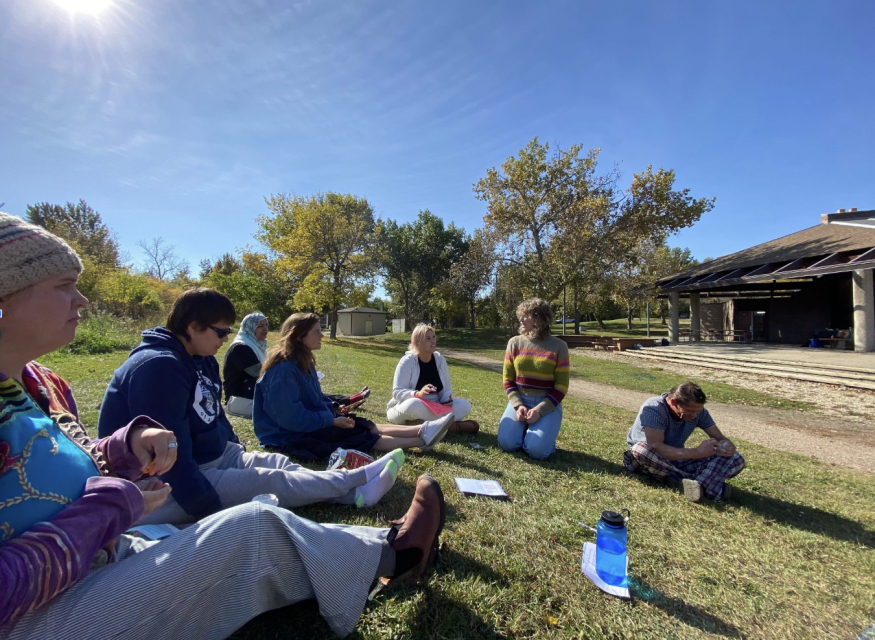
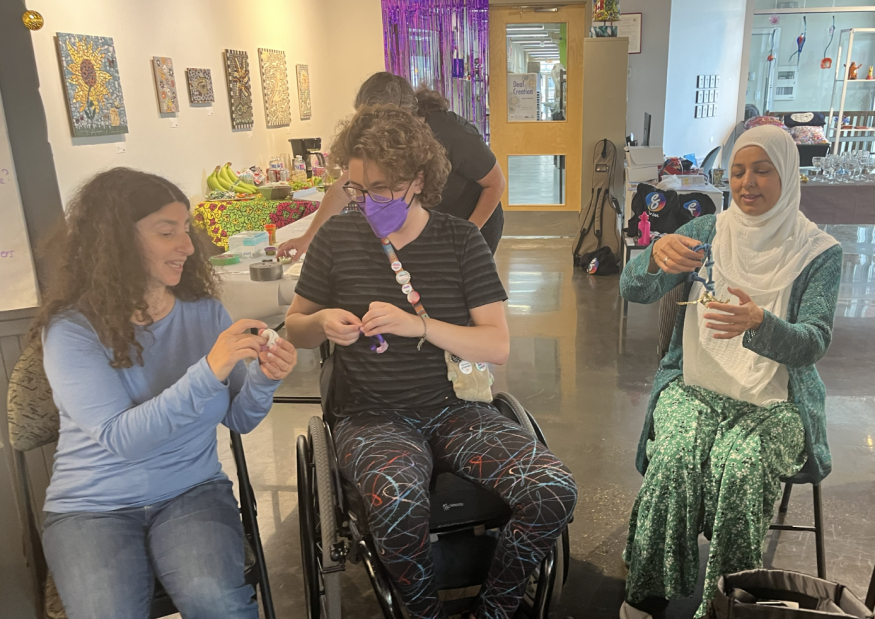
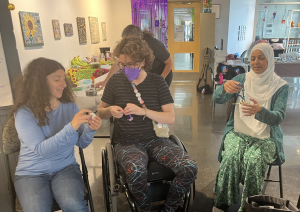
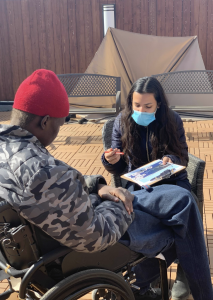
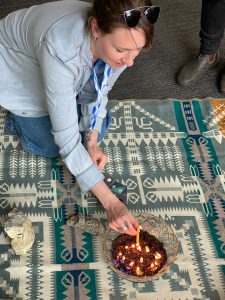
Soloss runs cohorts made up of a group of “Losstenders” – everyday people who listen to and acknowledge experiences of loss through embodied or creative expression, ranging from painting, movement, tattoos, breath work, prayer, poetry, cyphering, music, and more. That means we have developed a recruitment, onboarding, training, debriefing & support process. As of 2026, Soloss has run 6 cohorts across two provinces, and in contexts ranging from encampments, frontline staff, developmental disability, youth, palliative care for street-involved adults, and supported living.
Public ceremonies & rituals
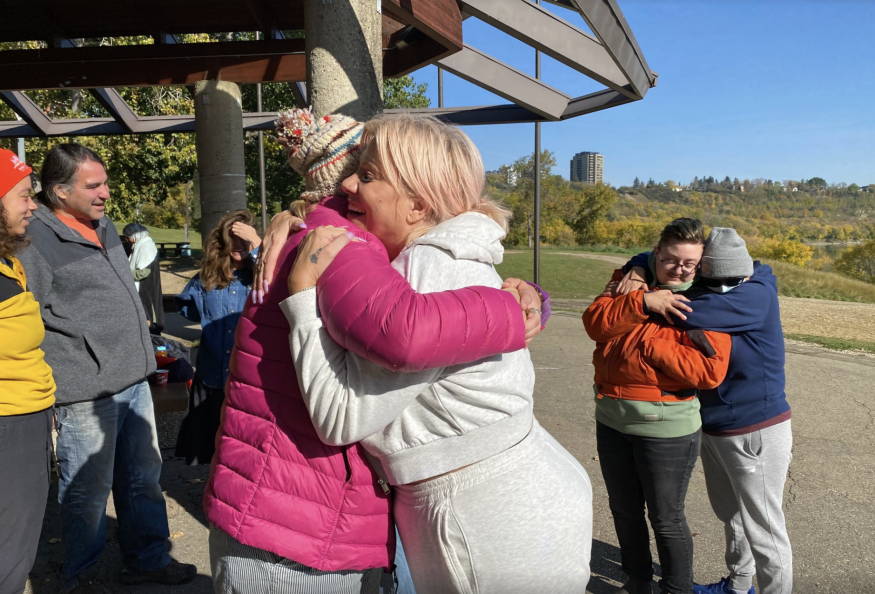
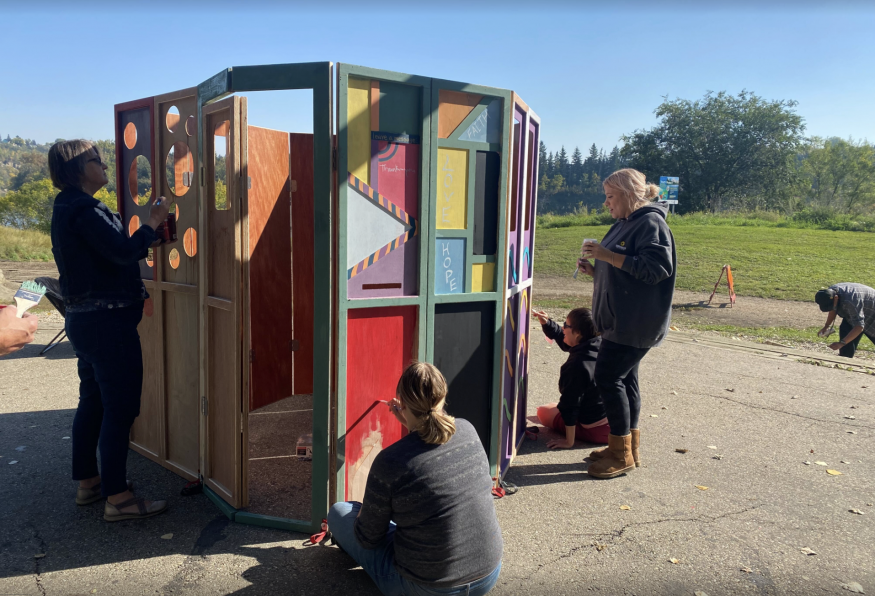
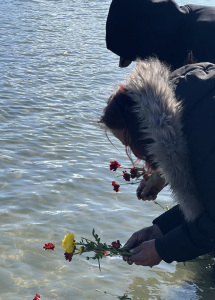
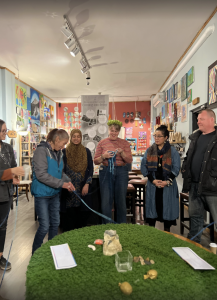
Soloss curates public exhibitions and neighbourhood events, facilitating new rituals for public mourning and collective healing.
Community learning events
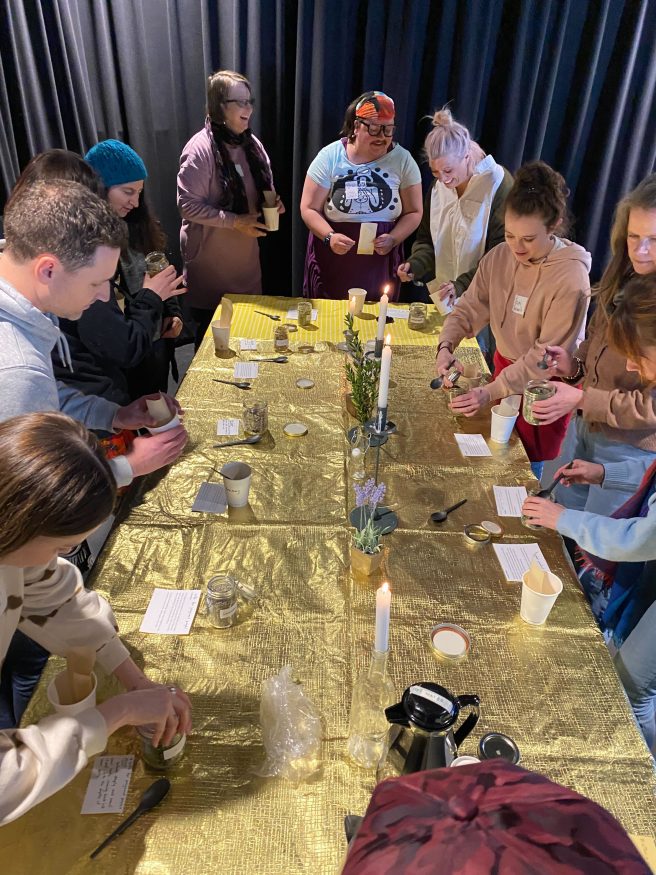
We believe in sharing what we’ve learned! Soloss offers workshops, coaching, access to our resource library, tailored-event, and something we call “workbench” where we help you craft your own ritual or experience. Read more in our Grief Garage Brochure.
Components
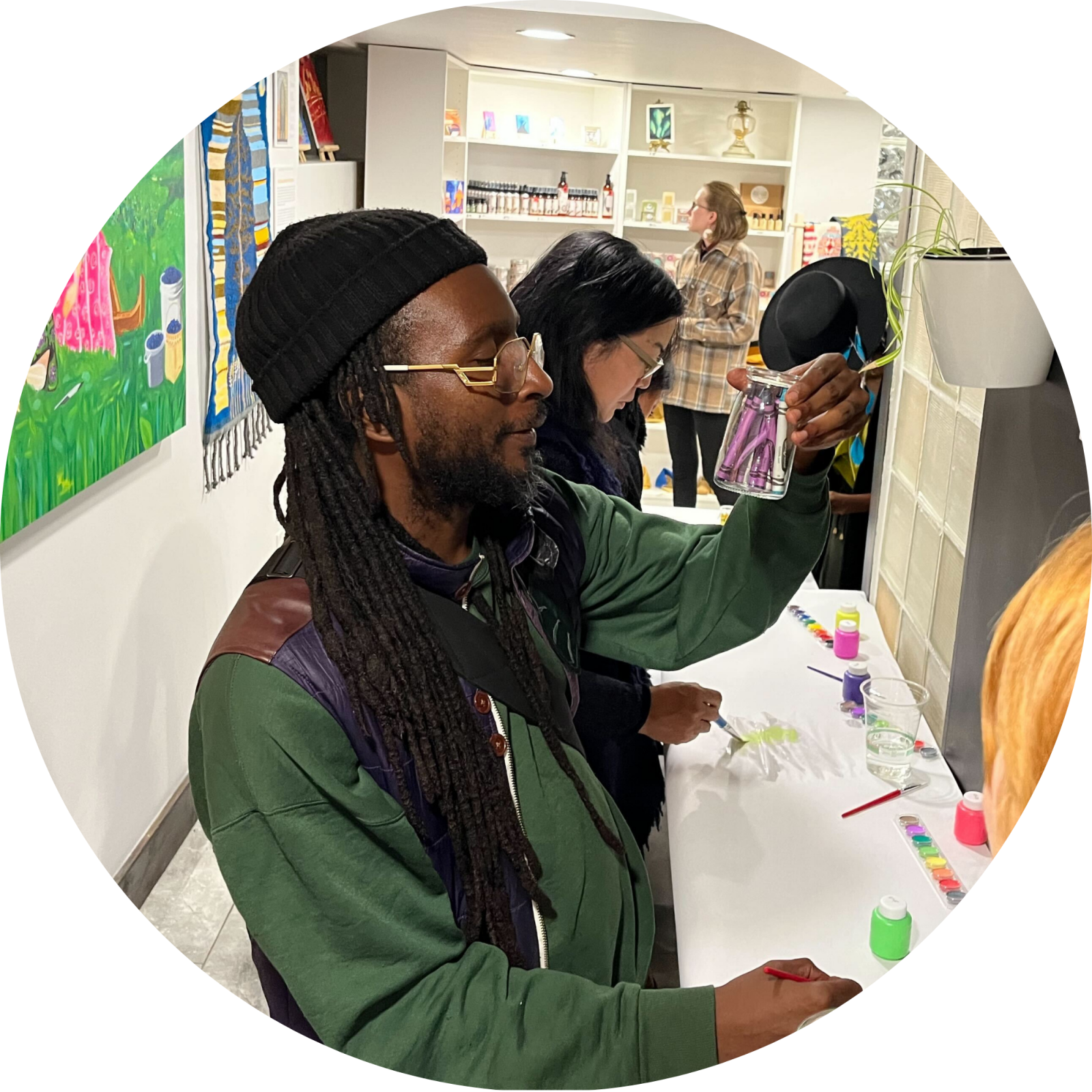
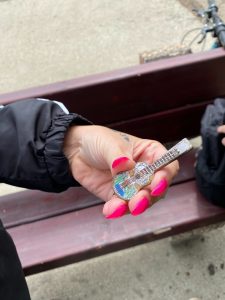
New Roles: Losstenders are lay people who want to be companions to others experiencing loss, and offer acknowledgement through creative expression (such as movement, songs, poems, tattoos, breath work, bracelets, photography, etc). Sharers are community members experiencing grief & loss. Circle of Support members are inter-cultural healing practitioners who offer care to Losstenders.
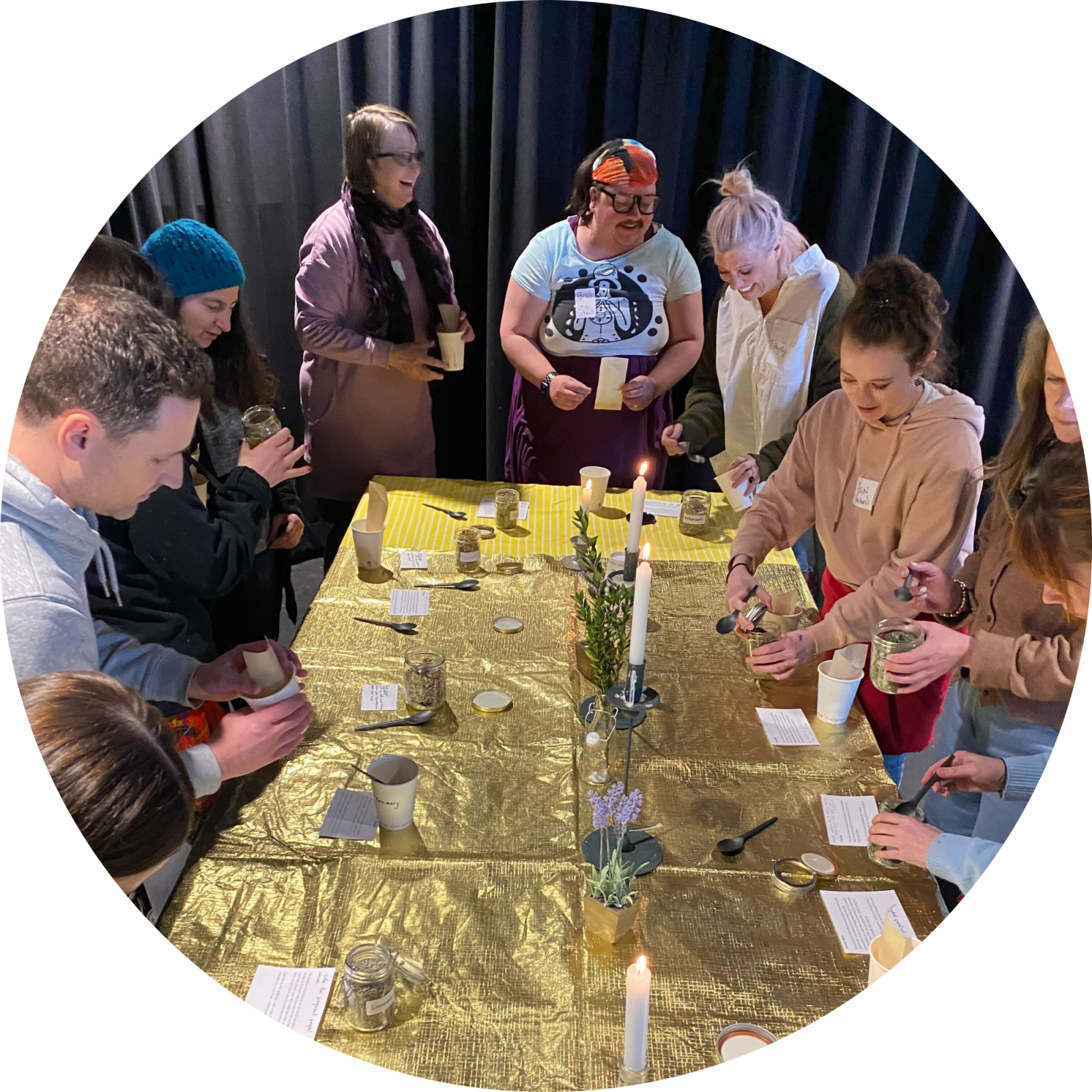
New rituals at the cultural level: We offer public exhibitions and neighbourhood events to facilitate new rituals for public mourning and collective healing, as well as workshops on grief & loss. To host a workshop or healing moment for your group or team, visit our Grief Garage offerings.
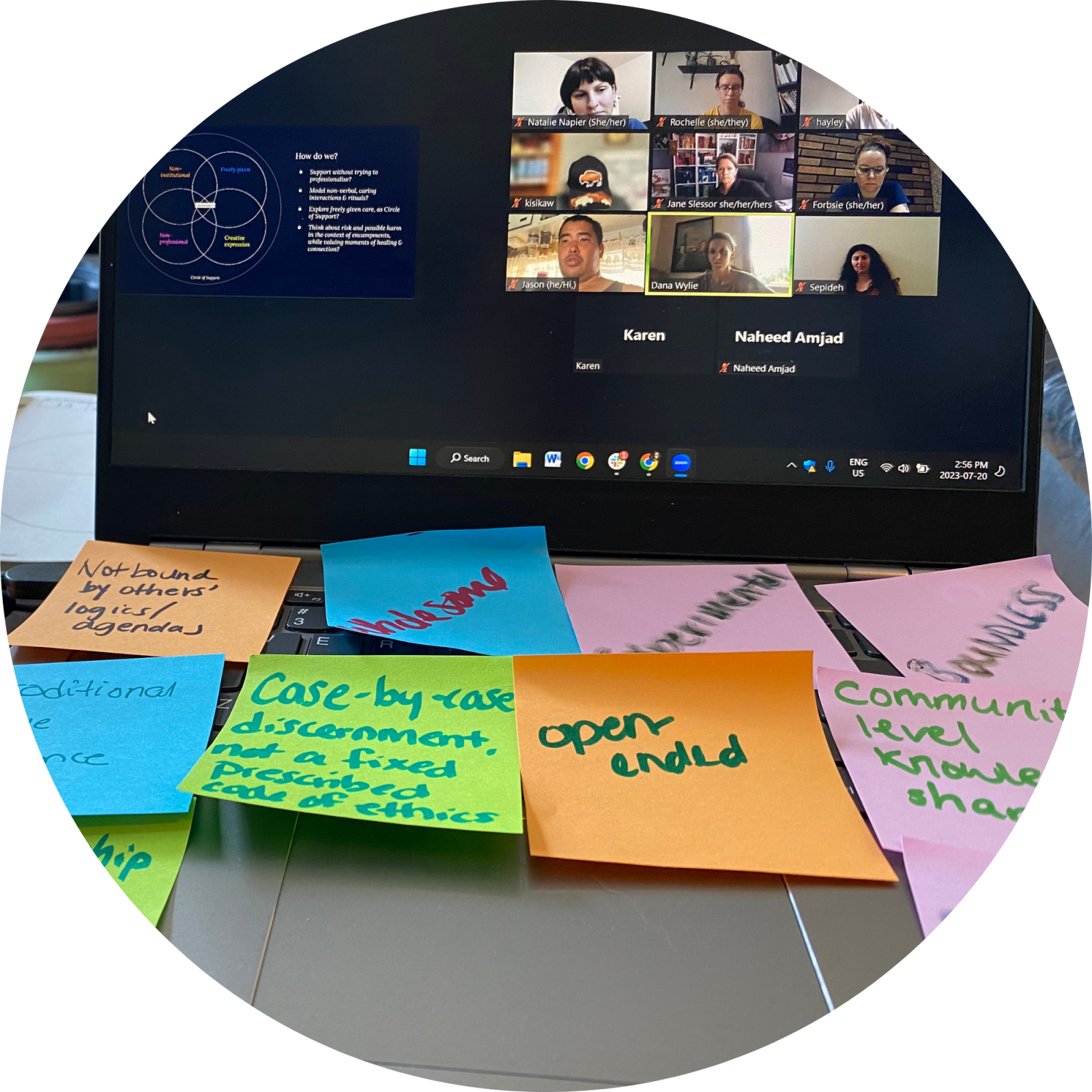
Governance & structure: We aspire to non-hierarchical decision making. Rather than becoming a nonprofit with a Board and Executive Director, we operate using a branching network model where cohorts can be formed in any place and context. We’ve had cohorts supporting youth, people in encampments, palliative care settings, and group homes for people with developmental disabilities.
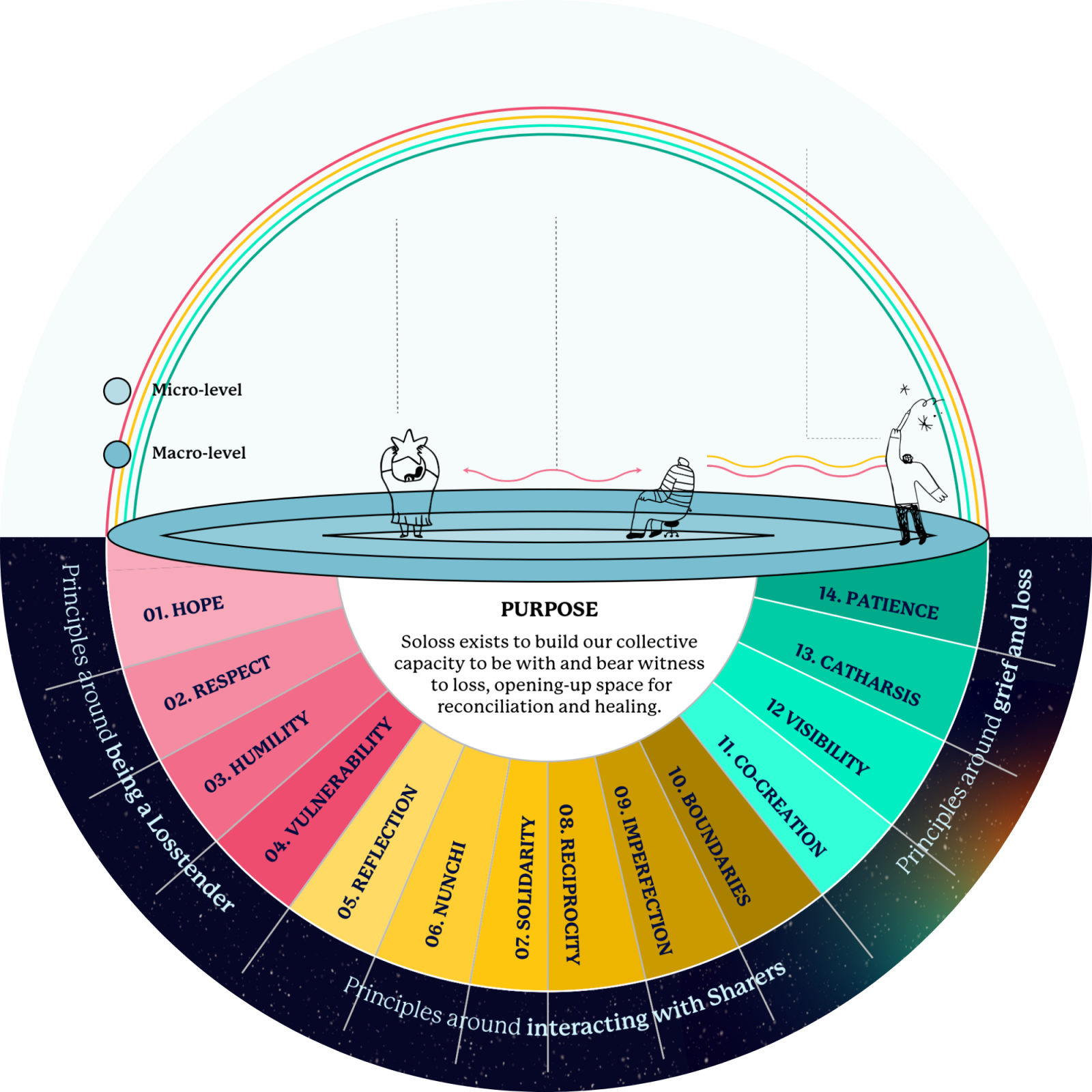
Principles & Theory of Action: Soloss advances wellbeing at three levels: individual, community, and societal. We strengthen lay capacity to tend to grief; bridge relationships across differences to increase respect, solidarity and belonging; and create new societal norms that confront the stigma/shame that stands in the way of connectedness. Read more.
Uses
Soloss offers grief accompaniment and public ceremonies; cohorts can be started in any context & geography.
In addition, our Grief Garage offers workshops, coaching, and learning experiences to individuals, teams, neighbourhoods, and more.
Impact
From our 2023-24 evaluation, Soloss results in:
- Greater sense of purpose & perspective. 80% of evaluation respondents reported a greater sense of purpose over their time with Soloss. 85% reported greater connection to the human project (a sense of agency, meaning or possibility), the sacred, and to culture over their time with Soloss
- Greater sense of trust and belonging to community. 92% of evaluation respondents reported a greater connection to friends, family & community
- Greater sense of respect, solidarity and support. Most evaluation respondents reported a positive shift in respect, solidarity and support.
Read our full evaluation report here
FAQ
What’s the history behind Soloss?
Soloss is the outcome of a rigorous research, design, and development process supported by a partnership between REACH Edmonton, social design agency InWithForward, and the City of Edmonton’s RECOVER Urban Wellness Initiative. Based on ethnographic research with over 200+ Edmontonians living rough with addictions and mental health challenges, Soloss responds to disenfranchised grief using art, creative expression, embodied practices and caring near-peer relationships with community members called Losstenders.
After three rounds of testing and refining our approach, Soloss has designed a model for authentic moments of human connection & healing, including a support system of cultural mentorship that can sustain positive, and caring engagement in and across cultures so that community and everyday people can work together to build a safer and more inclusive city overall. Equity is integral and is embedded throughout the Soloss model.
What pain points does Soloss address?
Disenfranchised grief and loss
The accumulation of unacknowledged losses big and small – the loss of loved ones, hope, identity, culture, treasured belongings, memories — leave too many people feeling unmoored, ashamed and worthless.
Four years of ethnographic research with people living on the streets demonstrated how the absence of outlets for this pain can fuel relationship breakdown, instability, and a search for pain relief, which in turn contributes to chronic houselessness and addiction.
And, disenfranchised grief is experienced off the streets too – in any context where losses go unseen, unacknowledged, and uncared for.
Unmet existential needs
For all of the rhetoric of getting to the ‘root causes’ of marginalization, the bulk of funded intervension prioritize basic needs for food, shelter and physical safety, while overlooking our fundamental needs for belonging, purpose, connection and respect.
Soloss seeks to tend to these core existential needs and look after people’s spirits and emotional wellbeing.
Fraying social capital
Since the pandemic, houselessness and addiction are on the rise and more visible than ever. Loneliness and isolation in general population are also on the rise. The challenging facing people on the margins and in the mainstream cannot be divorced from one another: a profound sense of disconnection and alienation from both self and others.
What makes Soloss’ model unique?
- We operate as a network, not a program or service – striving to be non-hierarchical in our approach
- We believe in relationships that cross lines of difference – bridging relationships between the housed & unhoused, people with and without developmental disabilities, youth and adults, the healthy and the dying.
- The importance of informal care, not just paid support. care we give is informal, freely-given, from one person to another – based on a genuine desire to be in relationship with each other (like friends or family) rather than a paid worker
- We believe in the use of embodied & creative practices to offer acknowledgement
- We have a Circle of Support and weekly debrief structure to offer care to the carers
- We are a forever prototype, prioritize learning & reflection
- We believe people need to show up fully as humans, not workers
Try this model
Learn
Sign up for a workshop or bring a learning & healing moment to your team
Bring grief care to your community
Sponsor a Soloss cohort in your context. Reach out to us to get the conversation rolling
Photo Reel
Publications
-
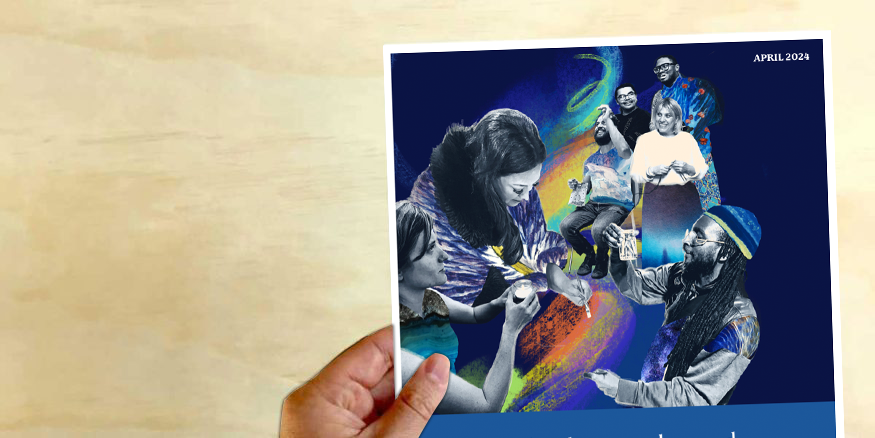
So Loss, what have we learned about making sacred space for you?
A three year report reflecting on new roles and rituals we tested for grief and loss.
-
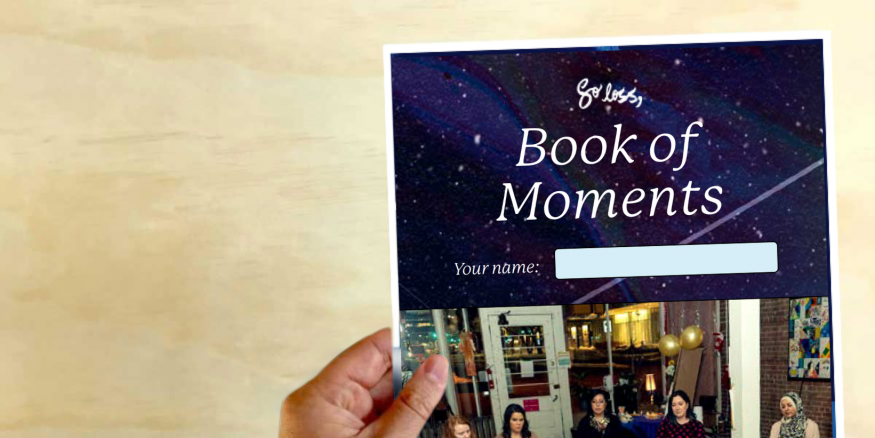
Soloss Book of Moments
Moments and experiences of Soloss from frontline staff.
-
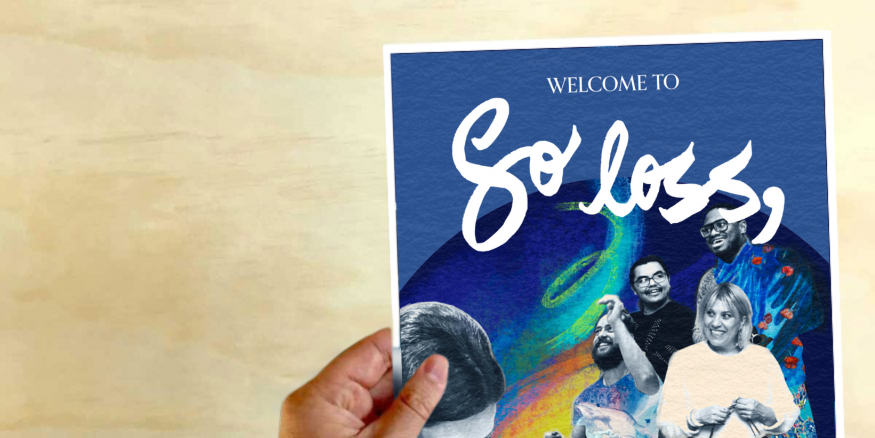
Soloss One Pager 2023
A short booklet about Soloss and working in encampments.
