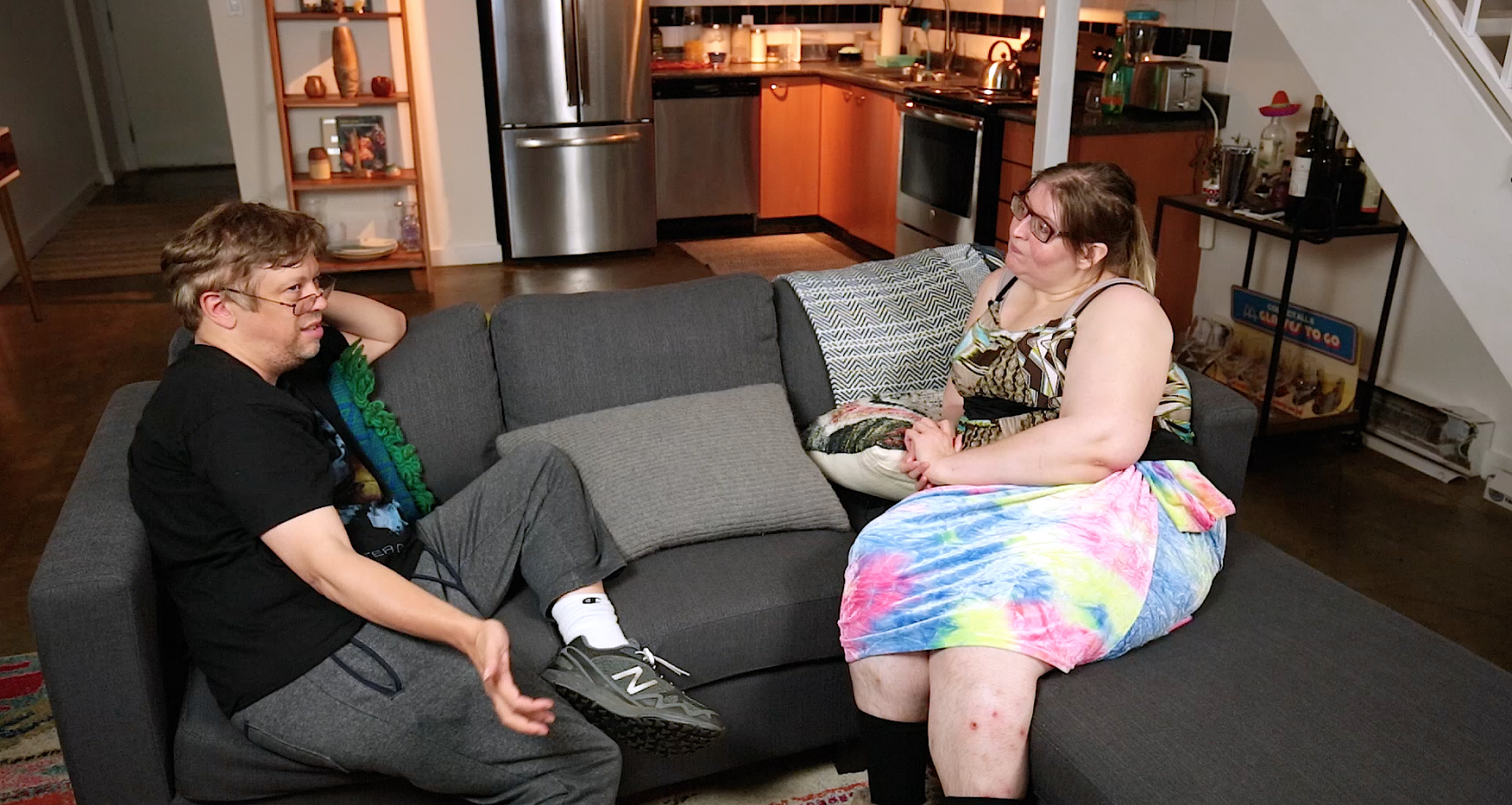
Real Talk is a catalogue of videos and a format for facilitated viewing parties, which promote frank discussions of sexuality, dating and relationships amongst people with cognitive disabilities.

These aren’t just any videos. They are made with folks with disabilities, for folks with disabilities, using a language and approach that is very different than your typical (dry) sex education.
You can think of Real Talk as…
An affirmation that all people have a sexuality
Adults with cognitive disabilities are experiencing their own sexuality, but may not be getting information or acknowledgement about this experience. Every human being – whether sexually active or not – has a sexuality. It’s part of being human. Sexuality can bring connection, isolation, joy, trauma, pleasure, guilt, excitement… often it’s a combination of things. What if we affirmed this experience instead of avoiding the subject?
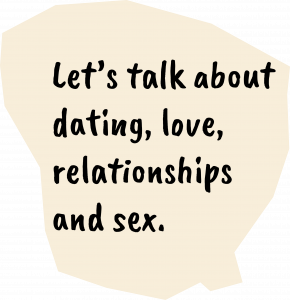
A conversation about dating, love, relationships and sex
Open communication about sex and relationships improves interpersonal skills, increases the chances of positive romantic relationships for those who want them, and reduces the risk of STIs and sexual abuse. Sexualized imagery is prevalent in our society, but real talk about sexuality is often absent. What if we started talking?
A celebration of the sexuality of adults with cognitive disabilities
Often the subject of sexuality arises for adults with cognitive disabilities because a problem occurs – perhaps someone is acting in ways that bother people, or perhaps abuse has happened. What message are we sending by waiting until a problem arises before talking to people with cognitive disabilities about sexuality? What if information on the topic was provided proactively? What if instead of being a problem, it was framed as a celebration?
Components

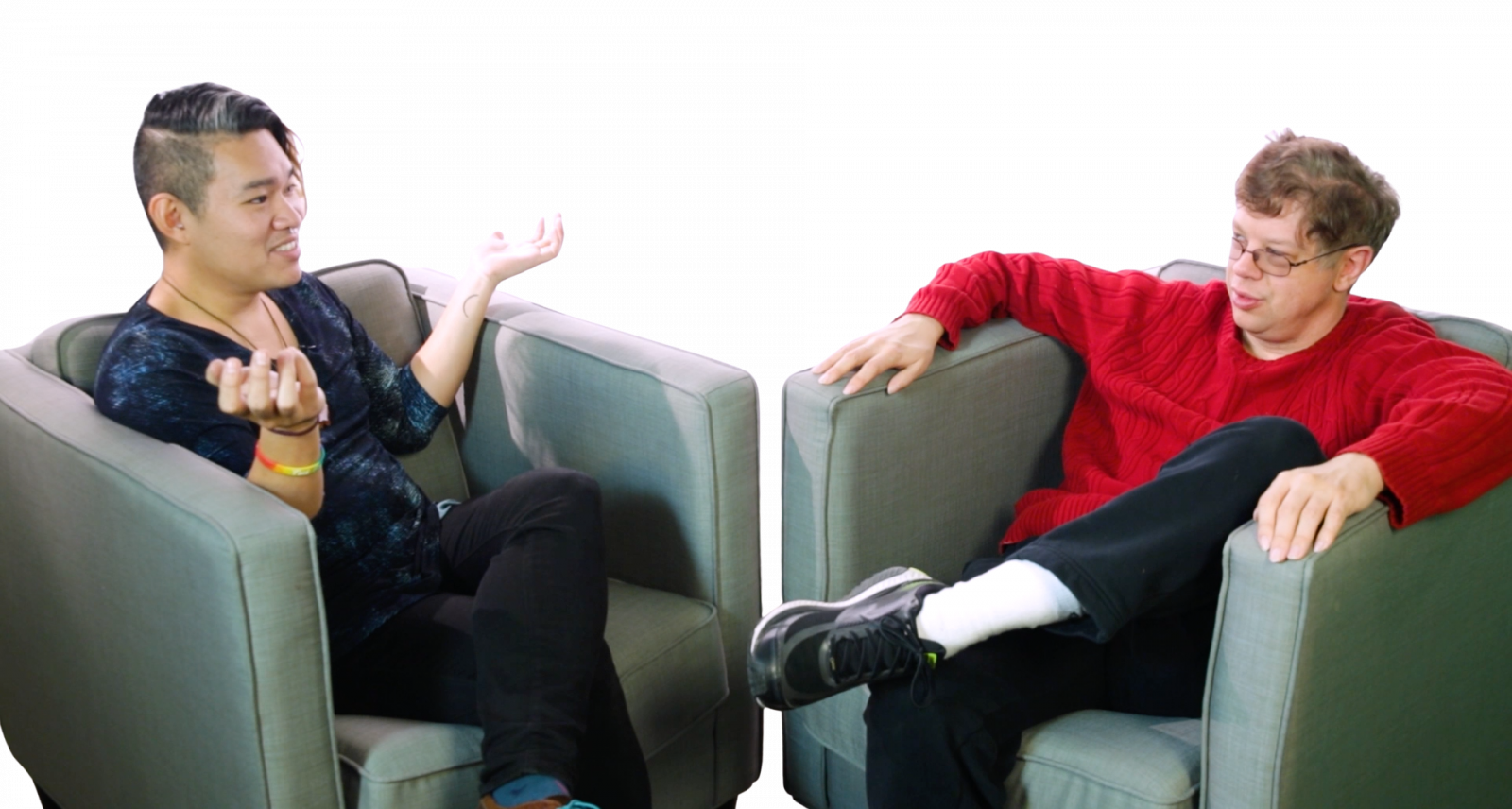
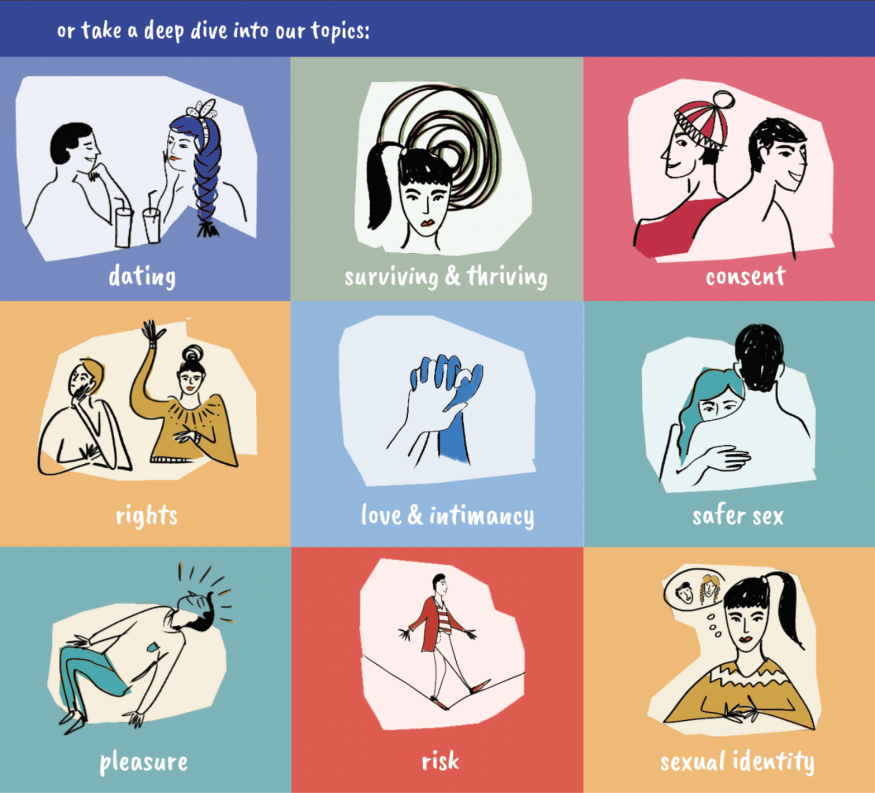
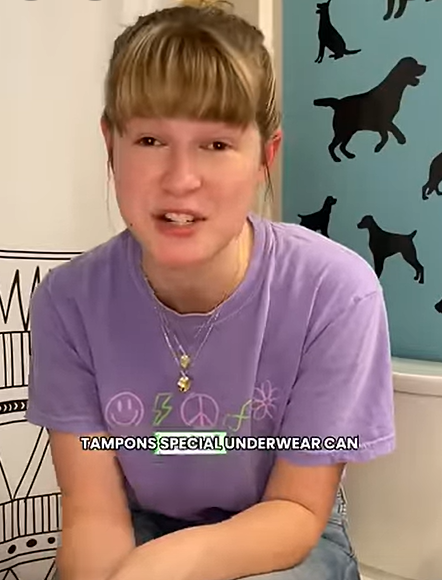
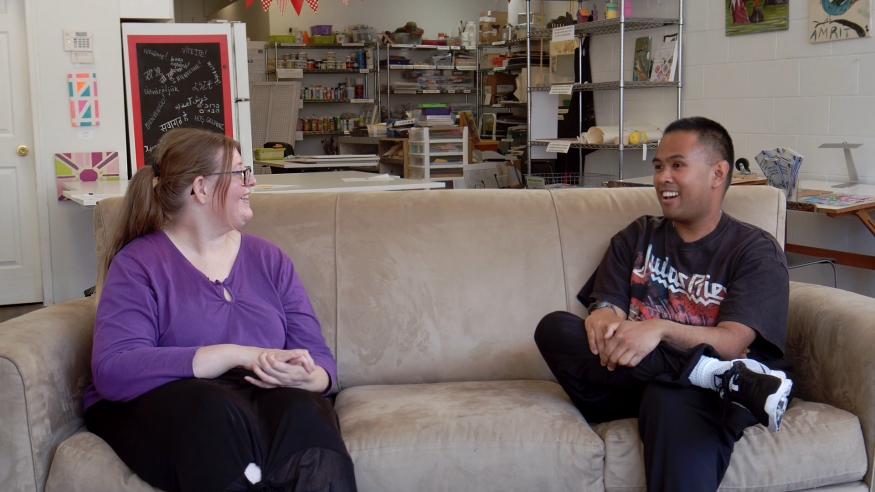
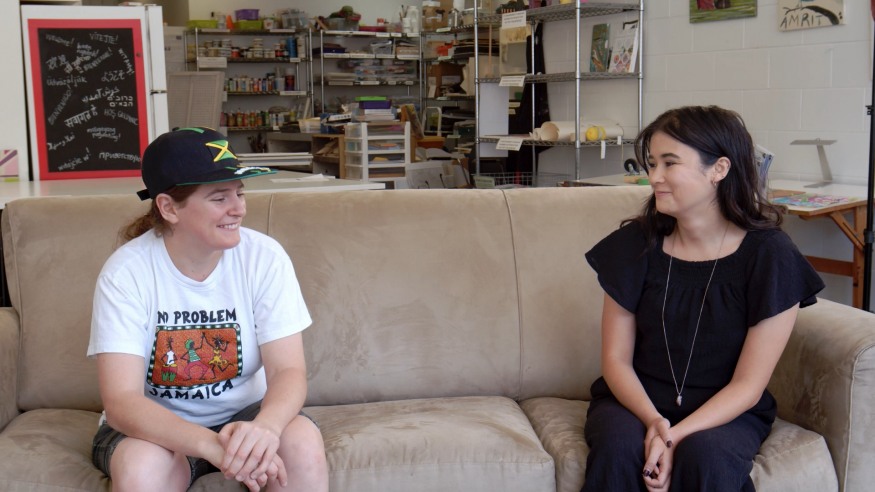
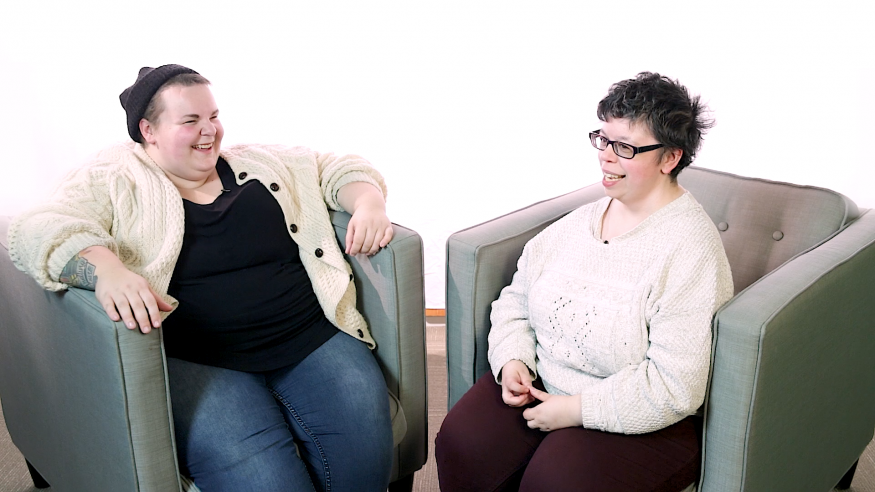
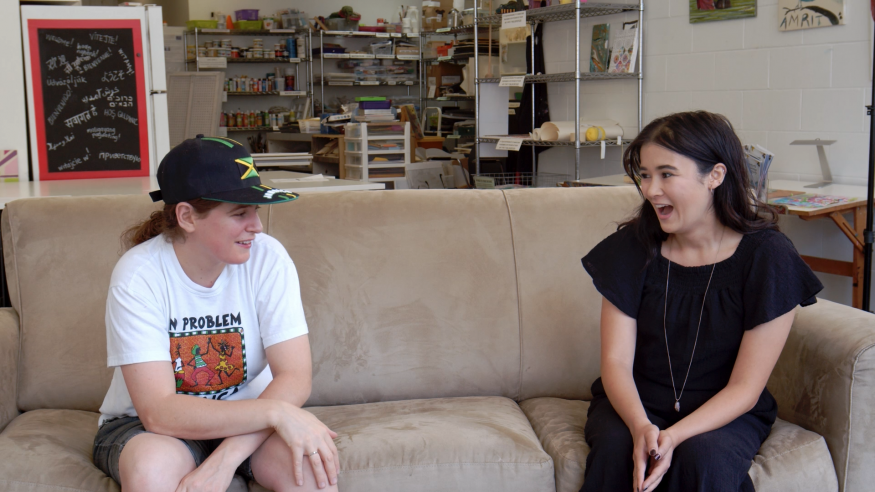
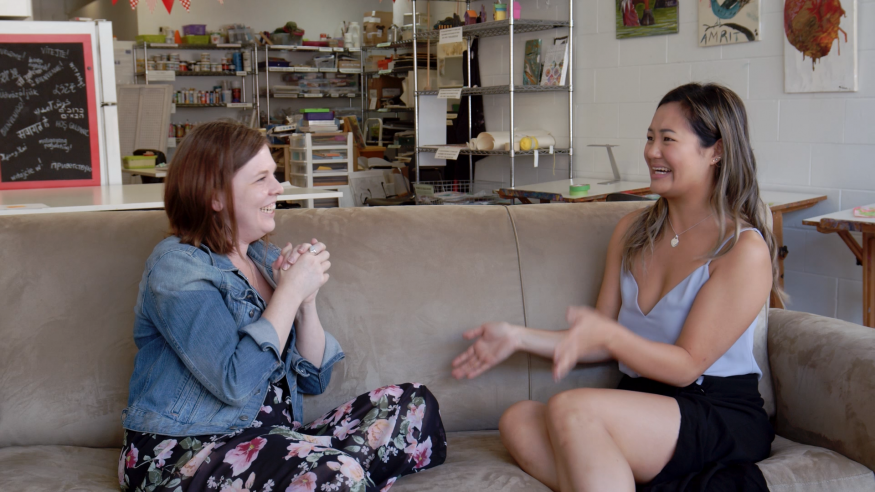
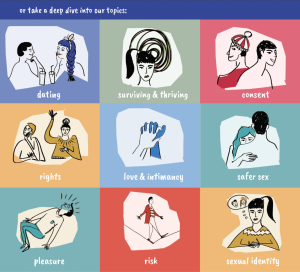
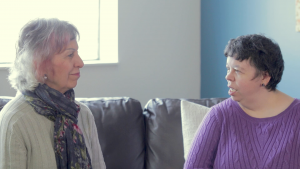
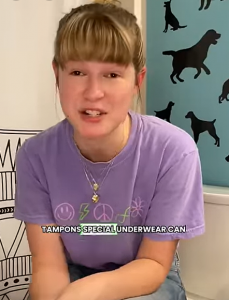
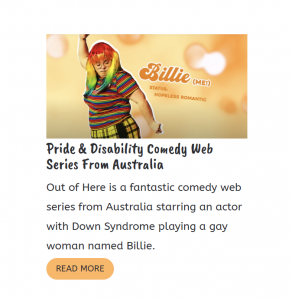
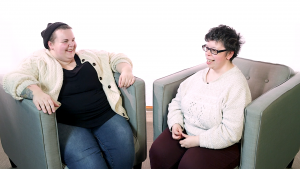
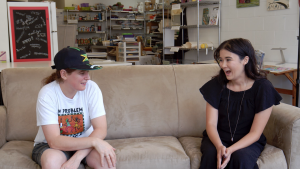
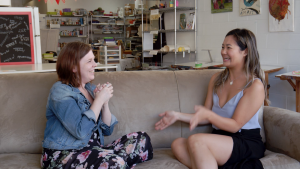
Videos and comics featuring people with disabilities having open and frank conversations about sexuality, dating & relationships. Real Talk videos show real-life situations and honest conversations. People of all ages, all genders, all orientations, and all abilities get together and speak openly about everything to do with dating, love, relationships, and sex.

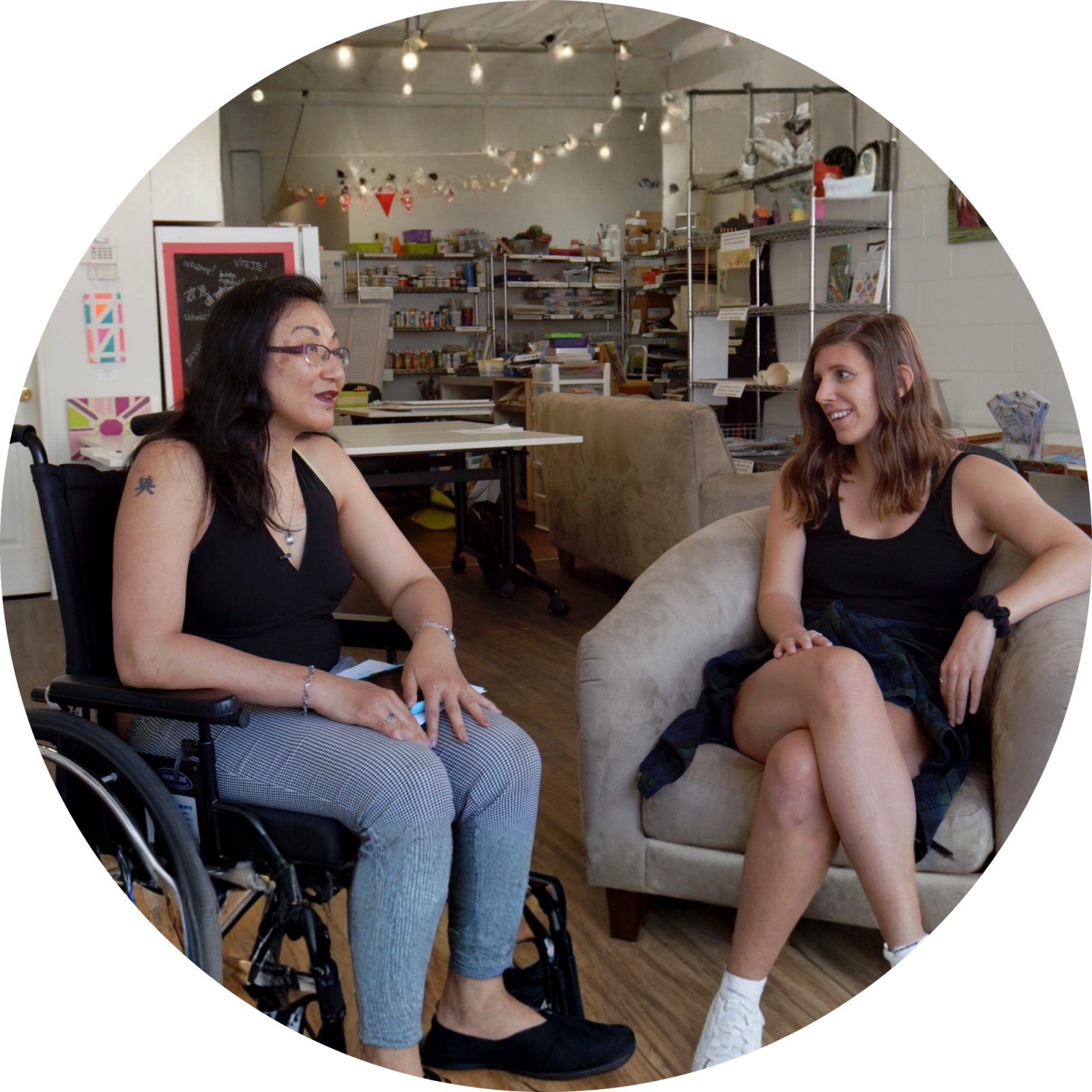
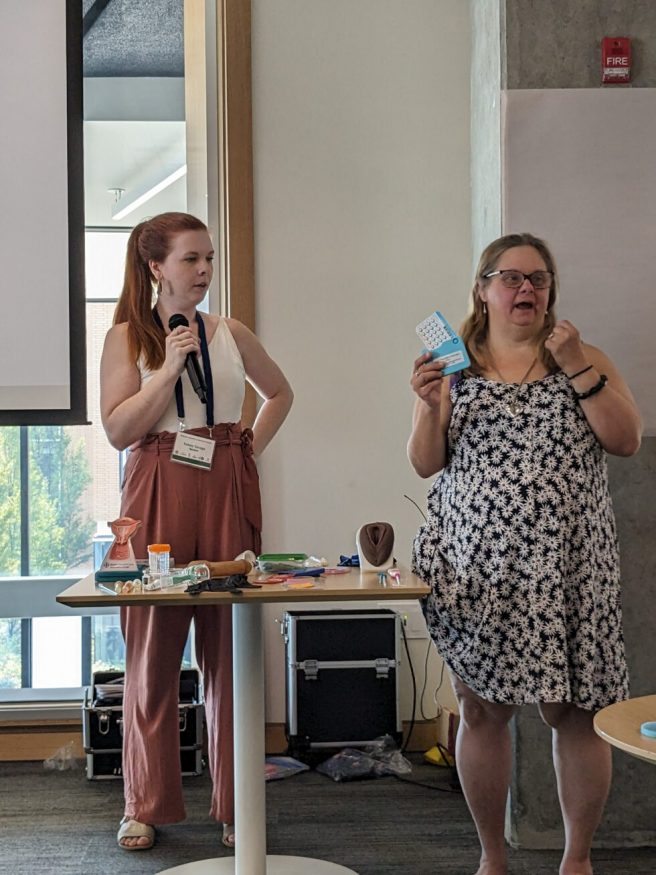
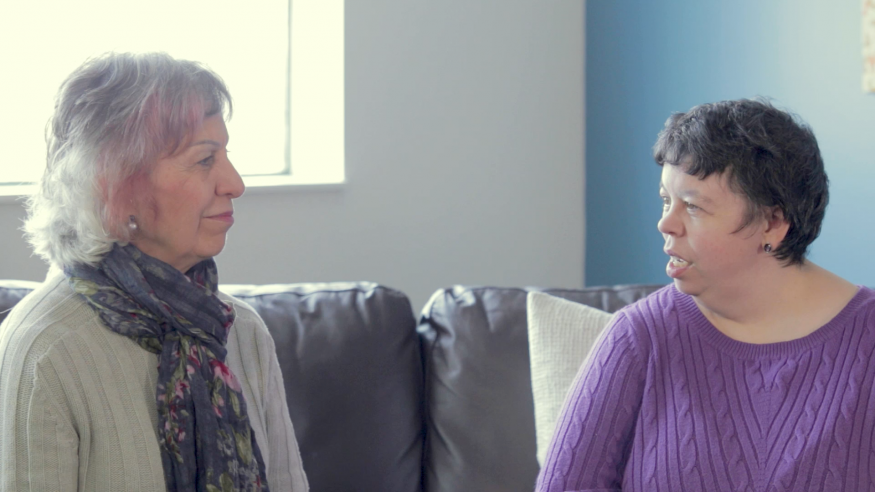
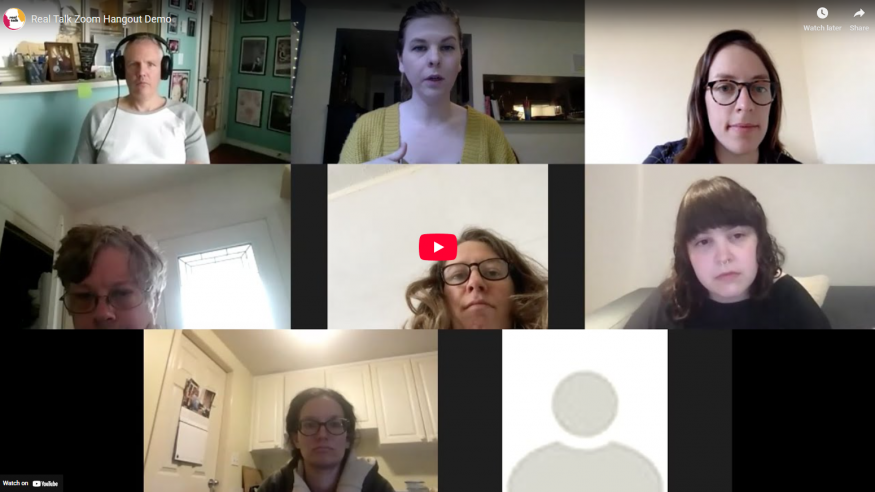
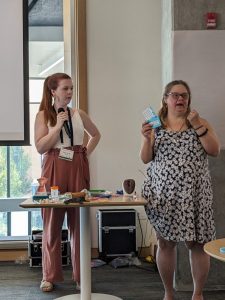
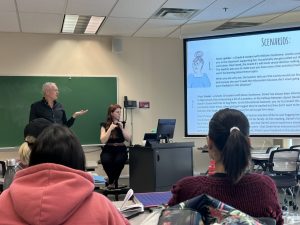
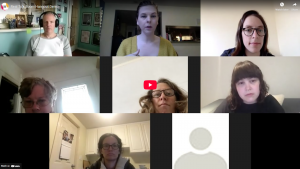
Facilitated conversations designed to de-stigmatize sexuality, dating & relationships. At our free workshops, folks get together (on Zoom or in person) watch our videos, and chat with a Certified Sexual Health Educator. You can ask about anything – how bodies work, how relationships work, how sex works… Or you can just listen to what others are saying.
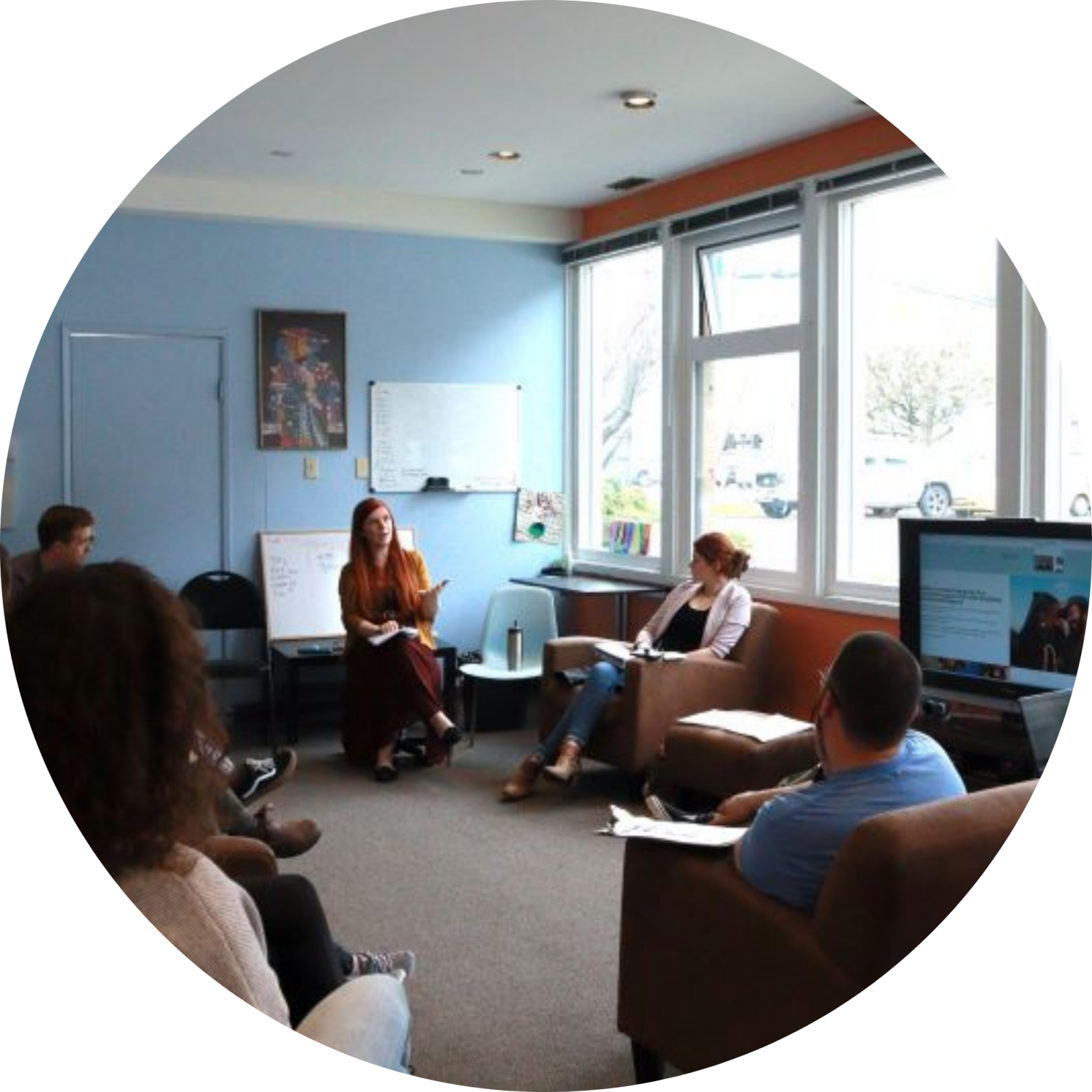
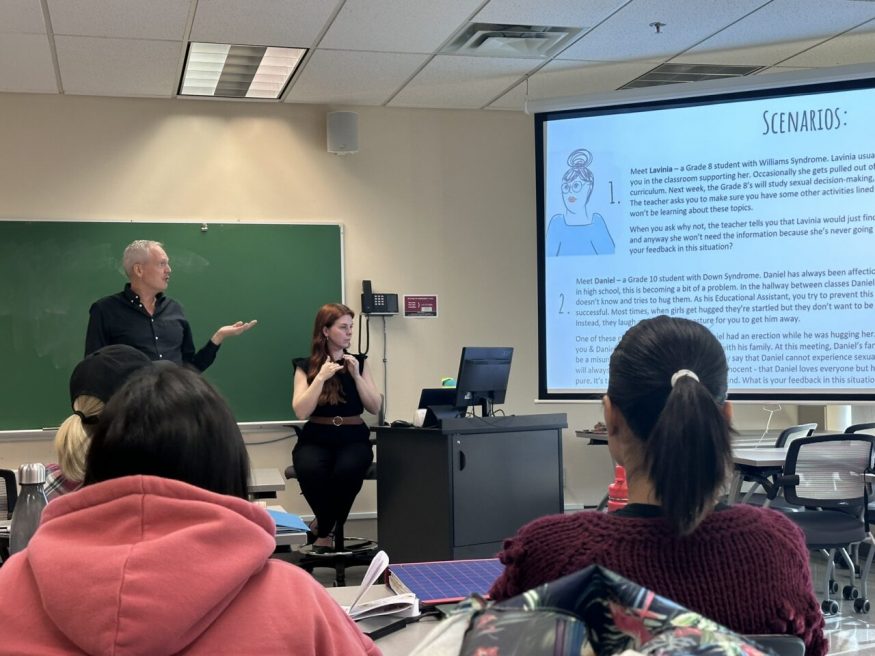
Support for staff, families and friends who want to join these conversations. Real Talk can provide free professional development workshops for your staff team so that they are better able to support individuals’ sexual health.
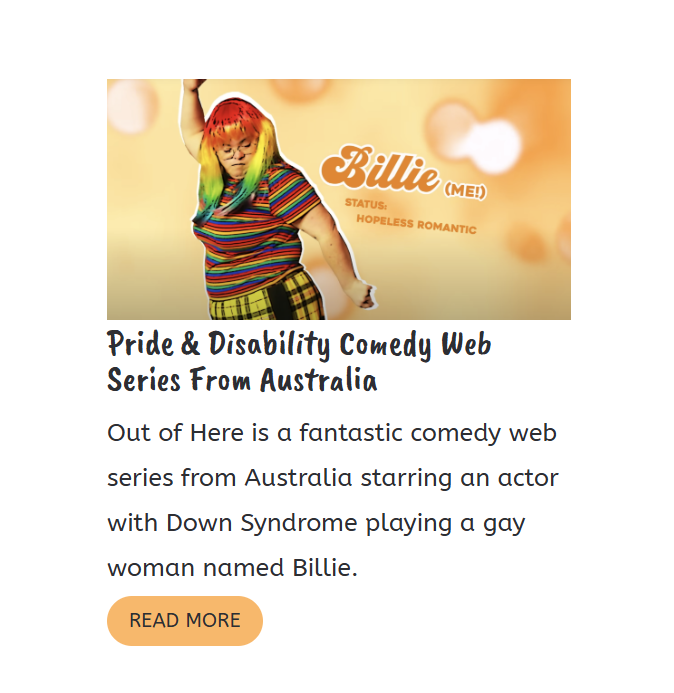
“Connecting Queer Communities” – a social health and networking initiative for 2SLGBTQIA+ folks with cognitive disabilities to connect with each other, and with the broader queer community. CQC aims to be peer-led, helping support 2SLGBTIQA+ folks with cognitive disabilities attend the queer events, festivals, social gatherings, peer support spaces, and other events of their choosing.
Uses
Real Talk’s online videos and gatherings can be used from anywhere. Its in-person events, workshops, and conversations currently operate in the Lower Mainland, BC, but if you’re located elsewhere and are interested, please connect and we’ll see what we can do!
Impact
- 135 videos episodes produced
- 14 comics
- 370 people engaged in Real Talk / CQC in 2023
- 202 open conversations about sex, love, dating, and relationships have happened during 2017-2024
- 1 Award Winning Film: A Place Where I Belong. Connecting Queer Communities, an off-shoot of Real Talk that, was at the heart of a 2025 film: A Place Where I Belong. The documentary “follows six 2SLGBTQIA+ people with intellectual and/or developmental disabilities as they navigate identity, love, and systemic barriers through an innovative non-profit program called Connecting Queer Communities (CQC). As the participants find safety and solidarity within CQC, their stories—ranging from self-advocacy and family rejection to the joy of coming out—highlight the urgent need for inclusive spaces. But with CQC at risk of disappearing, the film asks: what happens to a community when the only safe place they’ve ever known might be taken away?”
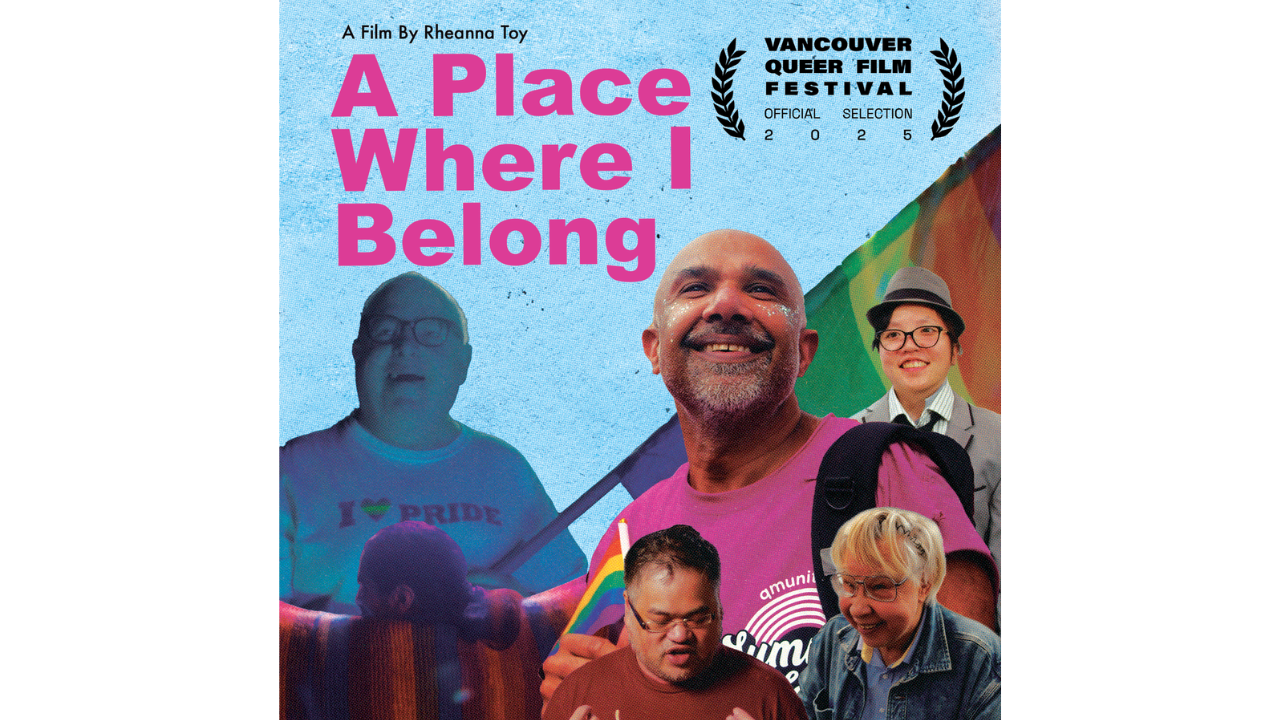
The film was winner of the Vancouver Queer Film Festival Narrative Change Award 2025, Directors Choice for Cinema Diverse: The Palm Springs LGBTQ+ Film Festival 2025, and Festival Favourite for Cinema Diverse: The Palm Springs LGBTQ+ Film Festival 2025.
FAQ
What’s the history behind Real Talk?
Real Talk (formerly known as Ask A Dude) is one solution that came from The Fifth Space, powered by Burnaby Association for Community Inclusion, posAbilities, and Kinsight. Implementation and scale is supported by Public Health Canada.
Real Talk was lovingly created by John Woods, Bobae Kim, Hayley Gray, and Irena Flego – with support from Charlotte Secheresse.
Real Talk and it’s theory of change was developed over a 6-month period. This resulted in an initial 11 video episodes produced and 5 viewing parties with 40+ participants. Outcomes include more comfort and less shame talking about sex; greater self-understanding; and a growing network of people that are ‘safe’ to bring questions to.
What pain points does Real Talk address?
Problematized sexuality
Far too often, the subject of sexuality only gets discussed with adults with cognitive disabilities if they behave in “inappropriate” ways or experience abuse. Sexuality is not to be talked about, which inhibits connection to body, self and others: key factors of a flourishing life.
Instead, we seek to celebrate sexuality as part of the human experience and provide proactive information, rather than rushing to problematize sexualty.
Risk and safety dominates
There’s a common belief that witholding information about sexuality protects people from harm. Data shows the opposite is true. Fear, discomfort, confusion and sometimes disgust can prevent staff and family members from having open conversations with people with cognitize disabilities about their relational needs and sexual desires.
Loneliness and isolation
Ethnographic research with people living with cognitive disabilities repeatedly surfaces people’s unmet need for romantic and/or sexual relationships. People with cognitive disabilities who also identify as queer, trans, and questioning face even greater exclusion. Their identities may be stigmatized or dismissed entirely as misunderstandings of social norms.
How do people use Real Talk?
Some folks watch the Real Talk videos on our web page to get information or perspectives on a variety of sexual health topics.
Sometimes supporters like friends, parents and staff will watch some Real Talk videos with a person they support as a way of starting an awkward conversation.
Sometimes folks show up at our free events to listen to conversations on dating, love, relationships, and sex – or to ask questions of their own and get reliable answers from a Certified Sexual Health Educator.
Sometimes supporters come to our Approachable Support Workshops to learn how to provide better sexual health support.
My organization supports people with cognitive disabilities. What can Real Talk do for me?
If you are in Greater Vancouver, Real Talk can provide sexual health education workshops for the people your organization supports. Real Talk can provide professional development workshops for your staff team so that they are better able to support individuals’ sexual health.
Both of these are free.
(If you are outside Greater Vancouver, do reach out as we may be able to accommodate you.)
The person I support has never mentioned an interest in dating, romance, or sex. Is Real Talk relevant for them?
People with cognitive disabilities are often assumed to be non-sexual and non-romantic unless they demonstrate otherwise. This can make it harder for them to bring up their hopes, dreams, and preferences around dating & relationships.
It’s possible the person you support may be interested in dating & sex, but may feel too shy to discuss it.
Also, people with cognitive disabilities are often excluded from formal high school sex ed classes. If they’re not invited out to parties or events with their classmates, they may also miss out on the informal peer education most of us get around dating norms.
Without this information, in adulthood they can run into problems around understanding consent & boundaries. There are lots of Real Talk videos about consent and dating norms. As well, we discuss consent at every one of our workshops.
This is useful information every adult should have.
Still curious if Real Talk is relevant for the person you support? Check out this video.
I think my family member could benefit from Real Talk, but I’m concerned that your values are very different from mine…
People are most likely to get their values and ethics from their families. At Real Talk, we don’t tell a person what they should or should not do.We do try to provide them with information to make informed decisions for themselves.We do believe that people have a right to information about how their bodies work, and why they might have certain feelings.We do believe that all genders and orientations have a right to dignity and respect, but we don’t tell anyone what their own values must be.
Try this model
Engage
Real Talk resources are designed to be openly shared. Watch our videos and learn how to join our facilitated conversations for free at
Organizational Support
If your community living or family support organization wants to engage around these topics with more confidence, reach out to us as [email protected]
Invest in ongoing R&D
R&D enabled us to continuously develop fresh content, peer-to-peer networks, and retain our non-normative ethos. Connecting Queer Communities is a great example of a spin-off network we developed thanks to dedicated R&D funding. There’s opportunity for so much more!
Photos


Publications
Coming soon…
