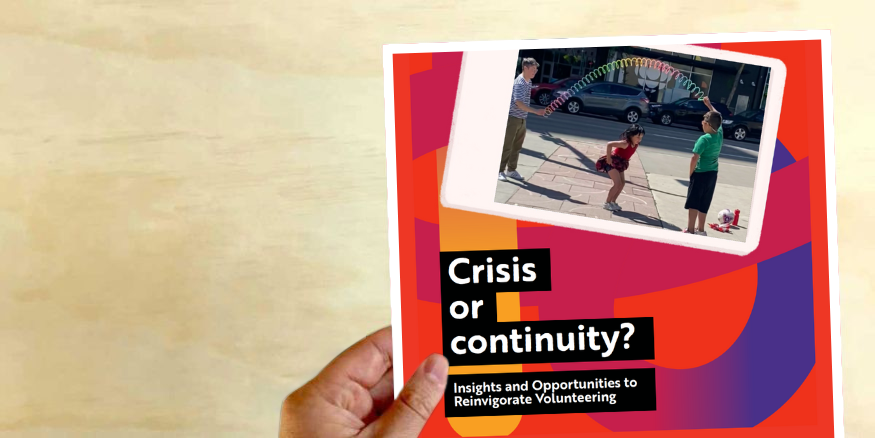
Formal volunteerism rates are in decline across Canada, with many institutions calling it a “crisis of volunteerism.” We set out to learn how we might reframe this challenge, and unearth opportunities for new narratives, roles, and tools that foster community contribution.

Starting point
What might be alternative ways to conceptualize & structure the flow of contribution and care in communities? Volunteerism can be understood as a form of social infrastructure that enables pro-social behaviour (contribution, care, and cooperation). That infrastructure has looked different across different times, places, and cultures. We wondered: ‘What should it look like in 10-15 years?’
Context
(Re)Engaged: Volunteerism from the Ground-Up is an initiative by Volunteer Alberta (VA), Boys and Girls Clubs Big Brothers Big Sisters of Edmonton & Area (BGCBigs Edmonton), and InWithForward. We spent time with communities and people in Edmonton, Lethbridge, and Fairview, gathered and analyzed data, and used design research methodology to develop actionable insights that can spark systemic change.

Possible prototypes
Idea #1
Working title: Volunteerism as Relational School
What are we prototyping?
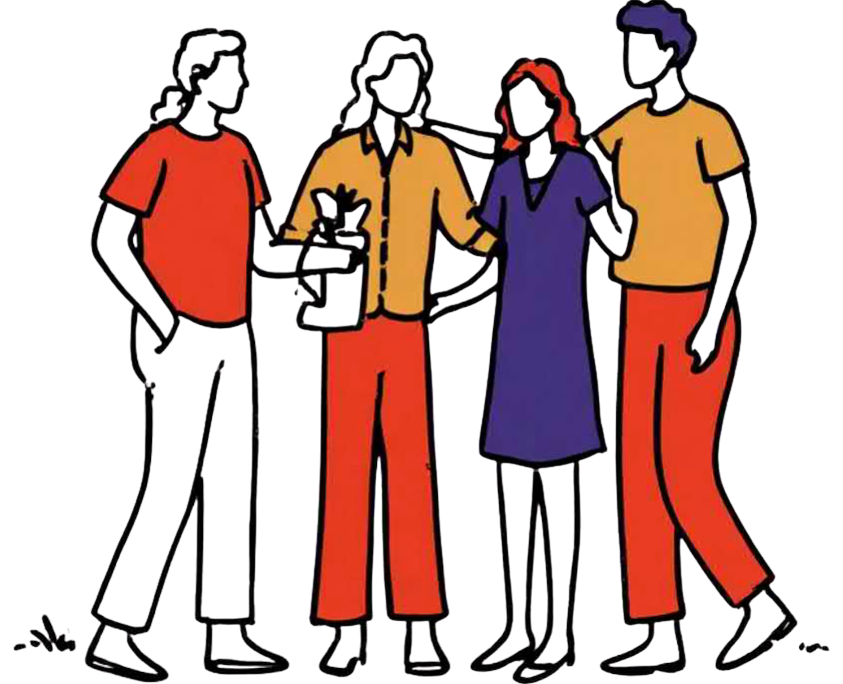
A platform for service learning. How might we work with volunteer centres to co-create a service learning platform that couples volunteer placements with guided reflection on soft skills?
What are the underlying shifts?
| From: | To: | |
|---|---|---|
| Volunteerism as an altruistic act | → | Volunteerism as education in contributing to a collective, building verifiable skills, relationships, confidence, and sense of purpose |
| Volunteer support organizations as matchmakers | → | Volunteer support organizations as service learning hubs |
How it might work
Alongside volunteer centres, we co-create a service learning platform that couples volunteer placements with guided reflection on learning pathways for soft skill acquisition. While there are plenty of online training modules for volunteers — covering topics around health, safety, and risk — there don’t seem to be learning experiences while in the field, to build soft skills like Non-Violent Communication, shared decisionmaking, relational ethics, etc. Volunteer-engaging organizations might subscribe to this learning platform and give their volunteers access to value-added programming that can result in certification.
Pain Points it Addresses
Social awkwardness. People don’t perceive them the way they think they’re coming across, which can be frustrating, hurtful, and make them less likely to put themselves out there around new people.
Low Sense of Belonging. Even beyond the lack of friendship, they have a sense that they are different from others, and never ‘part of the group.’
Related quotes from ethnography participants:
“I want to make friends and stuff but it’s so awkward. Maybe I’m not approachable.” -Windy
“It hurts. They judged me instead of asking me. They assumed I would make more mistakes instead of explaining to me ‘you don’t do that.’”
Driving Insights & Research
Personal growth is not an individual activity. Currently, self-care seems to be competing with community care, but it’s a false tension. On the ground, we found that some segments interpreted personal growth as entwined with self-care and often in tension with commitments to others, around which it might be difficult to set boundaries or protect one’s scarce energy. However, researchers and practitioners are speaking up in favour of more relational understandings of human development. Dr. Terry Real (psychotherapist, speaker, author), and Dr. Anna Lembke (professor of psychiatry, author) argue that our culture of hyper focus on the individual is feeding a lot of pathologies that ultimately lead to destructive and addictive behavior, because we’re lonely, and disconnected from our own needs and others’.
Endemic social awkwardness. The US Surgeon General calls it a “social recession”: the pandemic’s in the rearview mirror but we’re still scrolling instead of hanging out together. Jake Ernst, a social worker and clinical director of Straight Up Health in Toronto, says this is because extended time alone “changes our executive functioning, which happens in the front of our brain, and it actually starts to impact the way that we can connect, think, plan, organize and socially engage with other people.”
You can read our full set of insights in our report here.
Idea #2
Working title: Community Scouts
What are we prototyping?
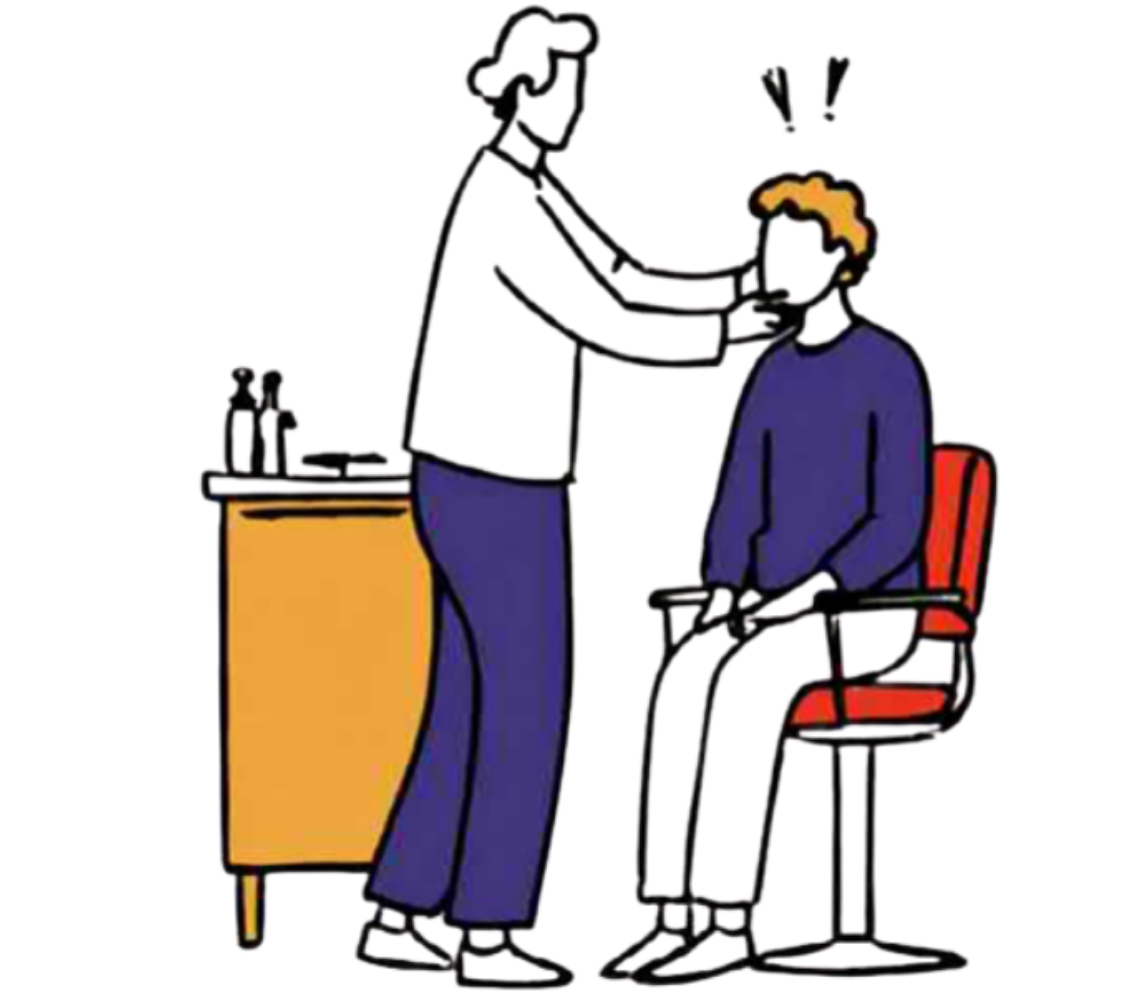
A new role, called a Community Scout, for laypeople who are natural connectors. This might include recruitment, training, an incentive structure, tools for engaging people, and an information pipeline about volunteer opportunities.
What’s the shift?
| From: | To: | |
|---|---|---|
| Volunteer intake | → | Scouting networks |
How it might work
We upskill, support, and incentivize hairdressers, pharmacists, karaoke hosts, and other natural connectors to function as scouts & bridgers: spotting when people around them have strengths they could share? These natural connectors might receive bite-sized learning on techniques to broker people together, and in exchange, receive free tickets to community events and small grants to host gatherings that build relationships. Think tupperware parties for contribution!
Pain Points it Addresses
Isolation. Pessimistic about being welcomed and included, they withdraw to their own company.
Low Sense of Belonging. Even beyond the lack of friendship, they have a sense that they are different from others, and never ‘part of the group.
Purposelessness. Not being able to contribute to something that they, and the collective, value.
Driving Insights & Research
Roles you can bump into. Most people don’t go looking (very far) for a volunteer role. Of those who were interested in volunteering but not currently volunteering, they had encountered past opportunities through family, school, church, or being scouted. Many are contemplating volunteering but having trouble moving into planning or action stages. How can we help them feel more ready and believe in the importance of their own contribution?
Idea #3
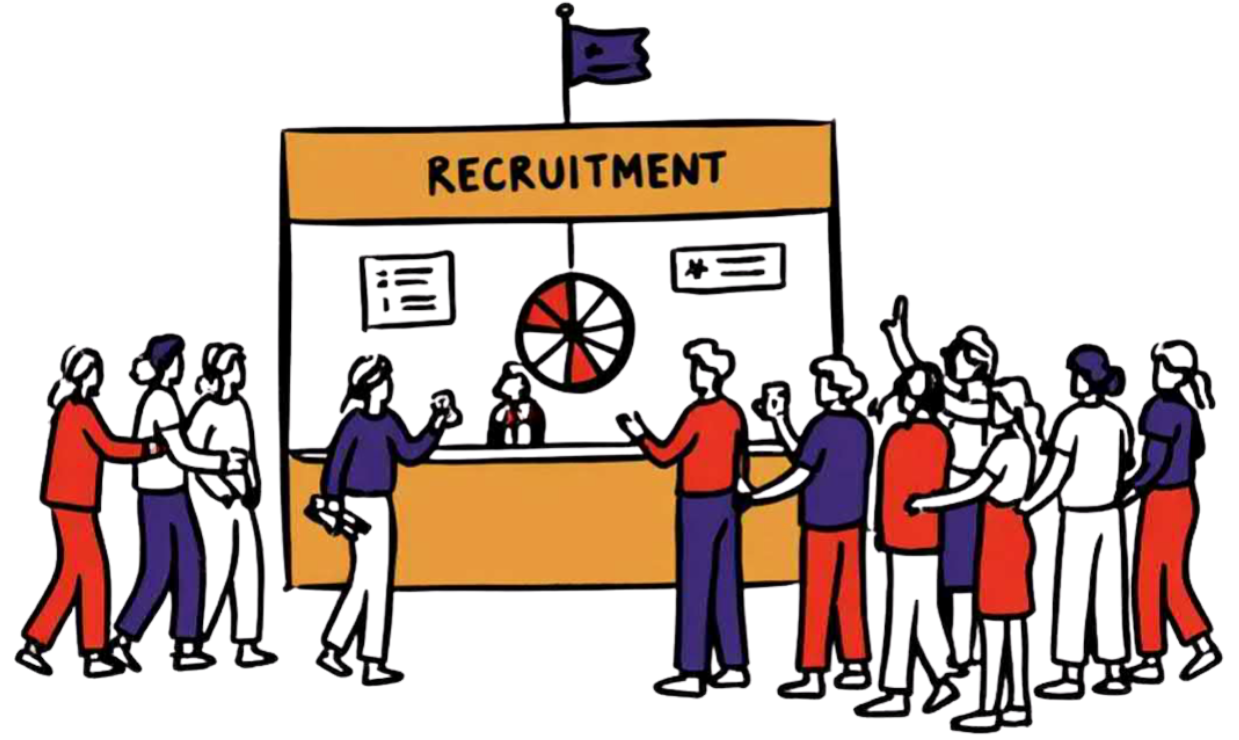
Working title: Recruitment Games
What are we prototyping?
A set of interactive games and exhibit booth materials for recruitment events, volunteer onboarding, and debriefs.
What’s the shift?
| From: | To: | |
|---|---|---|
| “Come see us when you’re ready” | → | Actively developing volunteer readiness |
How it might work
People can easily feel bombarded with information, asks, and unspoken expectations. Trust, on the other hand, is built from shared experience & mutual vulnerability. For people seeking a sense of purpose, yet afraid of putting themselves out there (whether for fear of judgement, failure, or burdensome obligation), building trust early on could be a deciding factor. These games and materials would be designed to be used at public events or in organizational intake and volunteer support. They would surface top values, foster a moment of mutual sharing, and could draw on practices from improv theatre, participatory exhibitions, and public space activation design.
Pain points it addresses
Purposelessness. Not being able to contribute to something that they, and the collective, value.
Co-optation. The sense that their resources, energy, or voice are being mobilized towards something misaligned with their values.
Isolation. Pessimistic about being welcomed and included, they withdraw to their own company.
Driving insights & research
Stinking Thinking. We’re all over-thinking volunteerism, and the remedy is action. Overwhelmingly, the people we spoke to had positive memories of volunteering and how it made them feel. Most who were not currently volunteering were thinking about it to some degree, an activity that didn’t seem to boost motivation to action. Stinking thinking refers to the unhelpful self-talk that keeps us feeling stuck and pessimistic about the potential or perceived outcomes of our actions. We worry about what kind of volunteerism will be most meaningful or impactful, or the best fit, when really, most kinds of connection to our community would improve our lives.
Joyful Commitment. The bar for commitment may be high, but people still want it. When volunteers are scarce or slow to jump on board, it’s hard to know what’s behind that reluctance. Should organizations change their approach? Should they create more flexible roles? We observed that it can be hard for individuals to move from contemplating volunteering to taking action, but that doesn’t mean they want a low commitment gig. Those we spoke to who were having trouble acting on their desire to volunteer agreed that a formal and regular commitment was what would work best for them. And people made an interesting distinction: they feel very good about “commitment,” and very adverse to the notion of “obligation.” The difference was about their level of intrinsic desire and motivation (commitment connoted high motivation). Perhaps the need to feel confident about committing joyfully is what makes it difficult to start.
Join us
We’re seeking community organizations, groups and institutions who would like to bring one of these ideas to life! Together, we will learn what works, for whom, under what conditions. Get in touch!