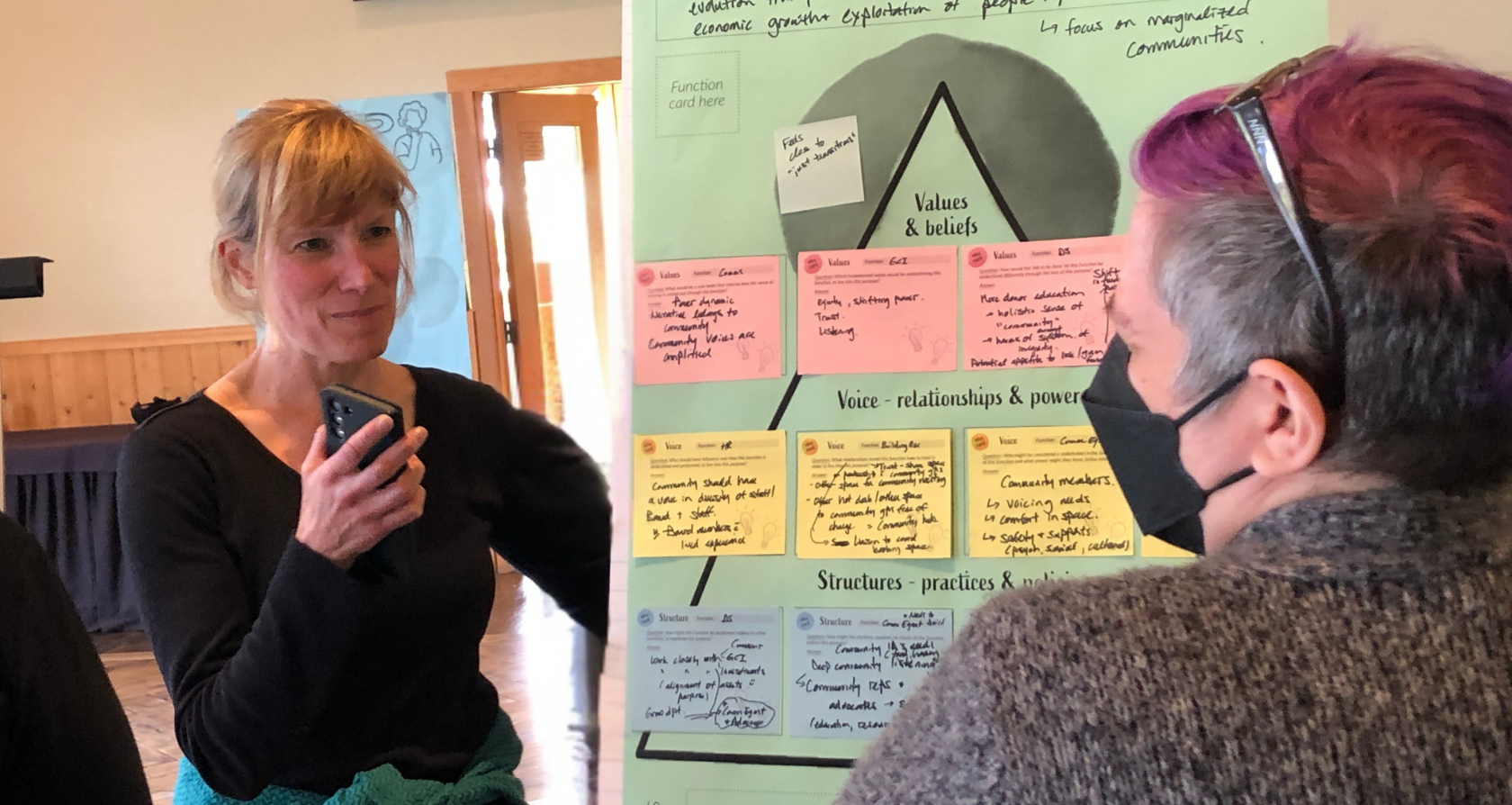
PurposePhil is a set of action learning tools & group processes for surfacing assumptions, curiosities, and big ideas about philanthropy.

In partnership with Vancouver Foundation, we designed PurposePhil to enable the philanthropic sector to grapple with how we give, distribute, invest, and incentivize money for social good.

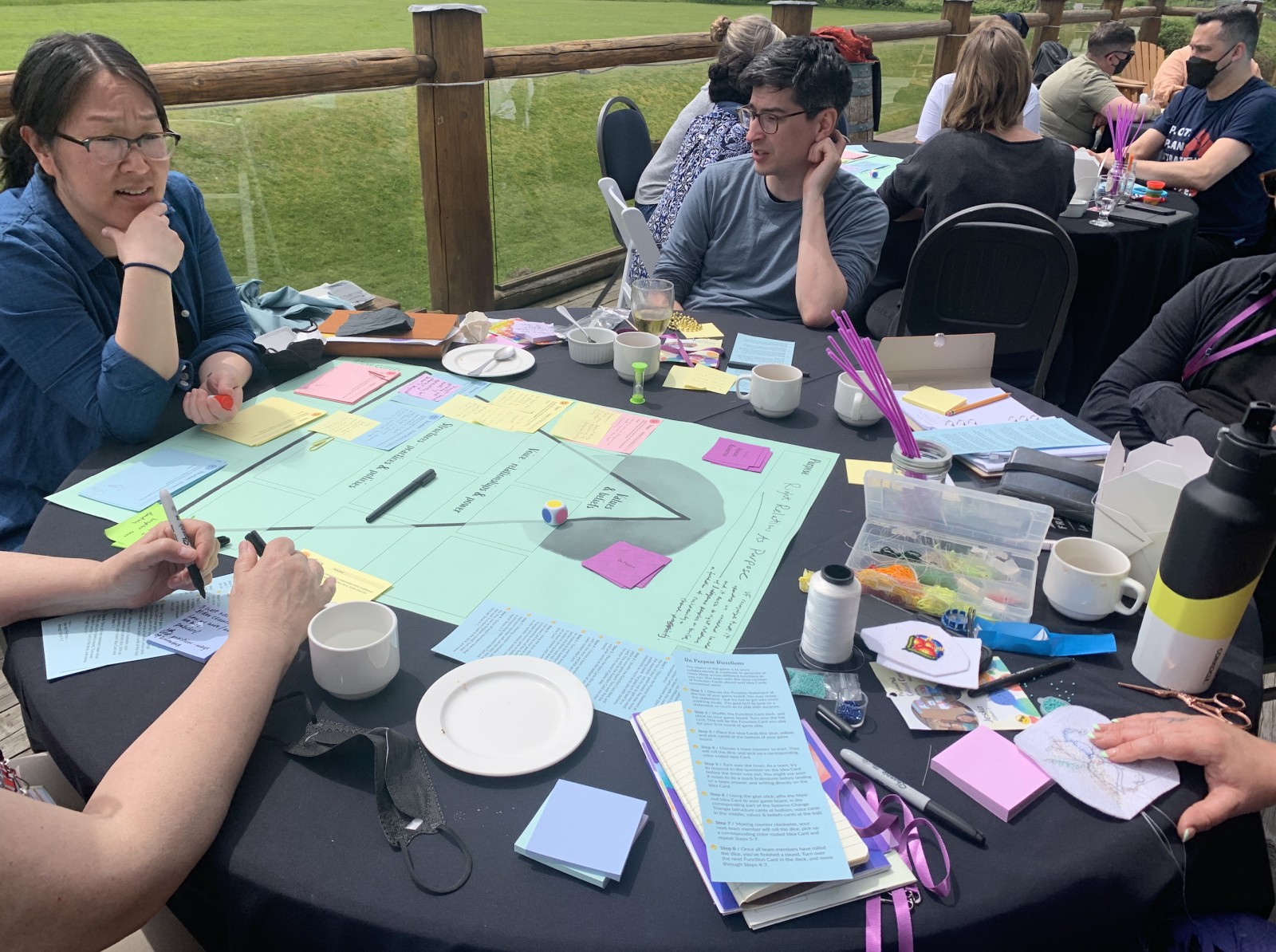
You can use PurposePhil to …
Gain exposure to big ideas behind philanthropy
Understand structure – So much of philanthropy isn’t visible from the outside. We tend to see foundations in terms of their fundraising and grantmaking functions, but not in terms of investments, governance, and taxation. Get acquainted with how the system of philanthropy works.
See the echoes of history – Did you know we can trace institutional philanthropy back five thousand years to Mesopotamia and the rise of grain surpluses? Find out how that history is relevant today, and probe the complex relationship between philanthropy and inequality.
Visualize the flow of resources – Look at the relationship between donors, foundations, government, the stock market, charities, individuals and families. Track the flow of resources, power, and control. Think about alternative flows.
See the whole picture – Examine the relationship between grantmaking, donor services, investments, human resourcing, and governance. How do the parts of a foundation relate to its purpose?
Reflect on underlying values, beliefs, and logics
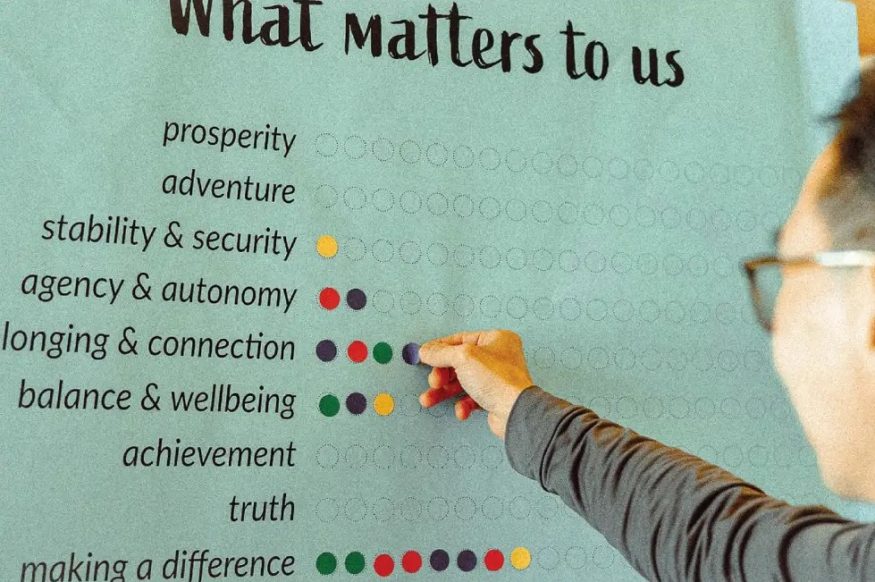
Identify values & logics – Cree author Harold R. Johnson notes that, “We are the stories we are told and we are the stories we tell ourselves.” Explore the stories you’ve been told about philanthropy, and the stories you tell yourself about doing good. Identify the values & logics behind these stories.
Engage in ethical dialogue – Like foundations, community organizations are often making hard decisions about resourcing and the way in which money supports or detracts from core values. Unearth different logics for decision making.
Probe alternative assumptions and philanthropic models
Delve into community – Community is this amorphous term that reflects a real range of categories and groupings. How can we get more precise about what we mean by community, and the ways in which people from those communities are shaping, versus being served by, organizations and institutions?
Examine time horizons – Building a legacy is one reason among many that donors give. How do we weigh future needs against present day needs, or past injustices that have led to present day needs and future uncertainties? Engage with different perspectives on the time horizons of giving.
Imagine possibilities – Meet sector leaders who are reimagining philanthropic narratives and core purposes — and, in the process, questioning assumptions around perpetuity and financial growth.
Imagine alternative purposes – If purpose is at the heart of systems change, what makes for a transformative purpose? Browse different purpose statements, and form your own point of view about what ought to be the purpose of philanthropy.
Find case studies, reflective prompts, and games
Grapple with moral purpose – Sure, your organization has a mission and values — but does it have an underlying moral purpose? What are its particular responsibilities in the world, and who ought to decide? Look at different purposes and hone your discernment on what makes for a strong purpose.
Make ethical decisions – So many of the decisions foundation leaders face are moral questions about attracting, amassing, and allocating resources. These are distributive justice questions. Surface your default distributive logics, and consider other logics.
Experiment with frameworks – Curious about how to operate in complexity and make good decisions? Check out frameworks for making decisions using different ethical lenses and underlying logics.
Learn from others – Need examples of how changing the purpose & narrative of philanthropy shifts what they do? Read case studies from organizations who are rewriting their stories and practices.
Core components
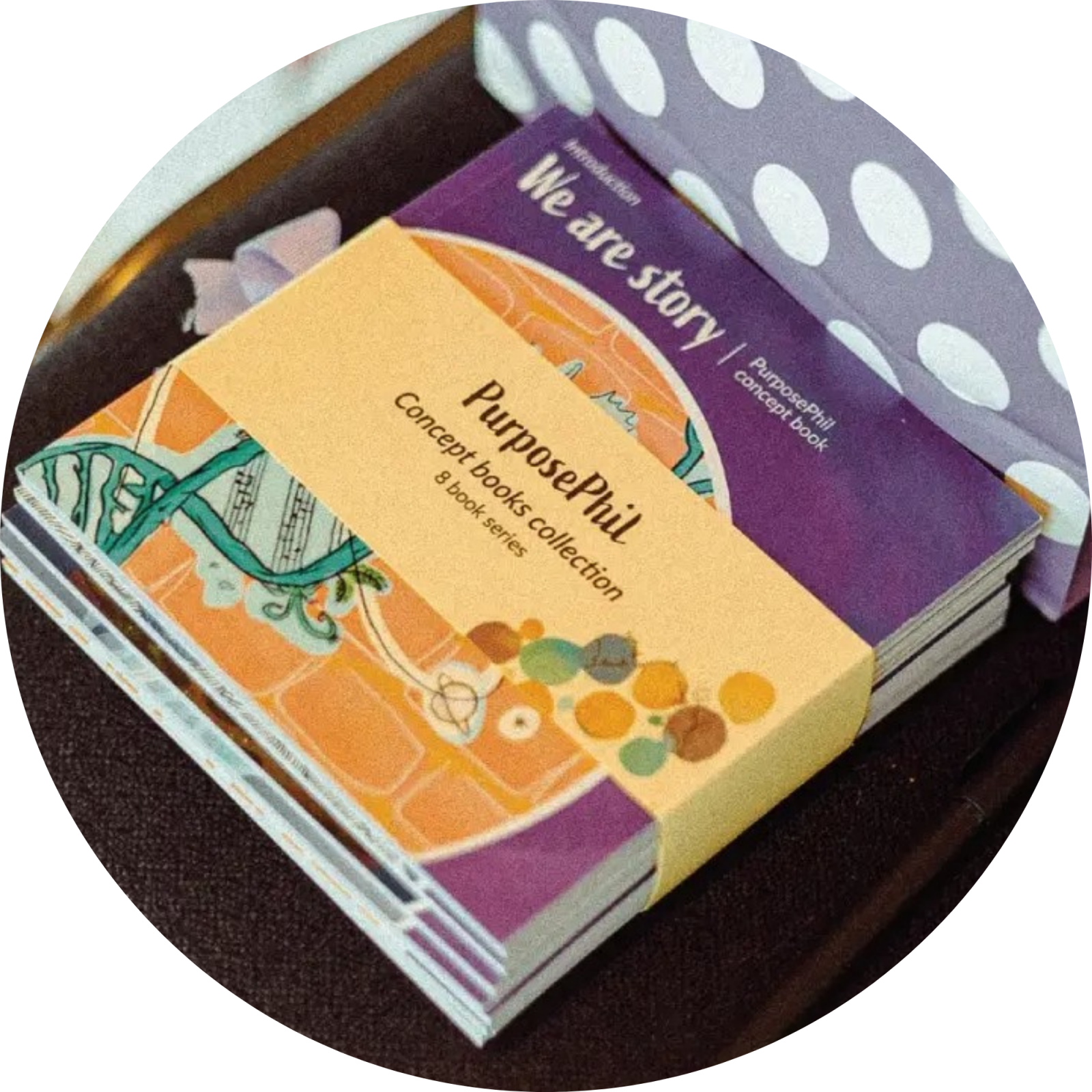
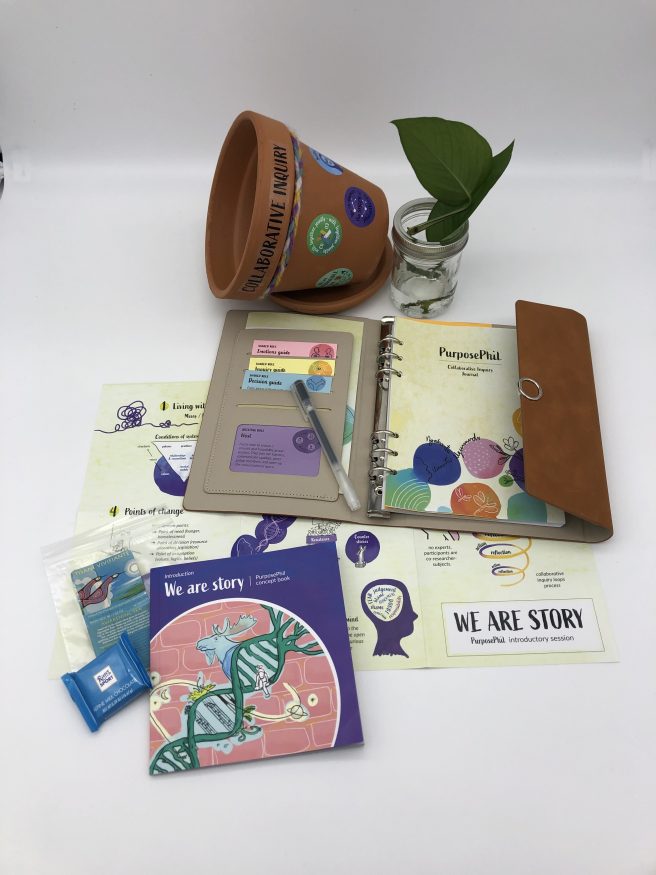
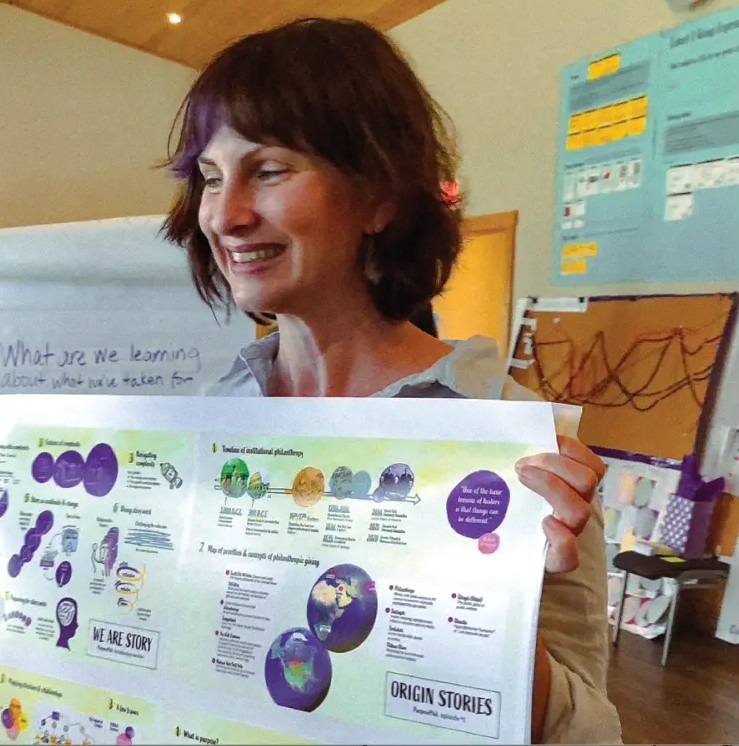
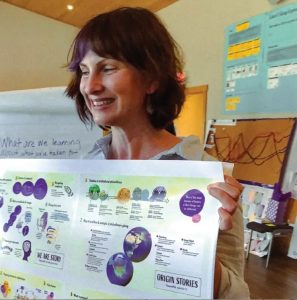
8 original booklets that help readers probe the origins and organizing logics of philanthropy. To imagine the future of philanthropy, we must first understand where philanthropy comes from and how it functions today.
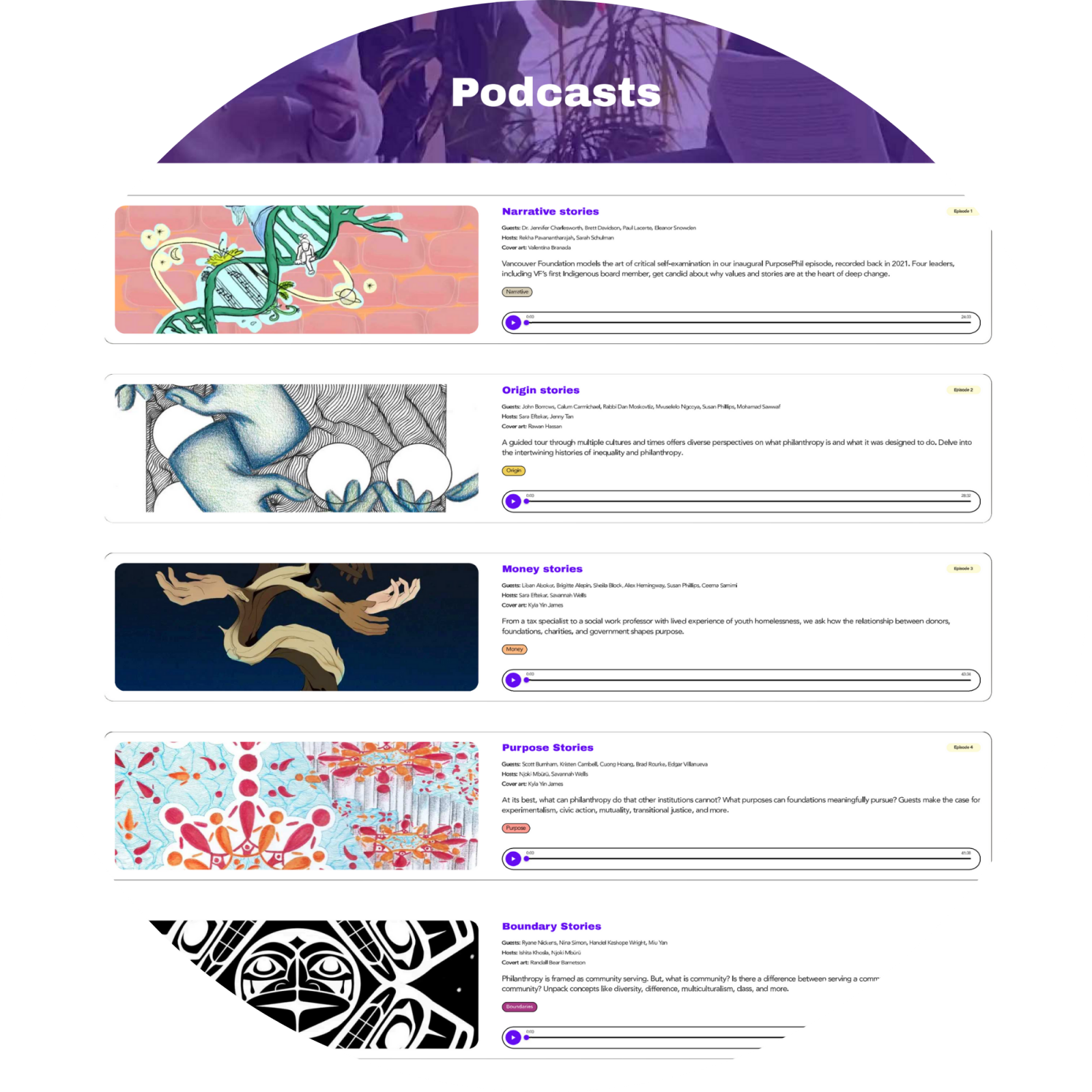
A seven-part podcast library, made with 40+ contributors. Listen to fresh perspectives from community leaders, practitioners, and professors. Philanthropy is a set of stories about wealth, generosity, need, and control. Some stories are so often repeated, they present as fact. Other stories are overlooked.
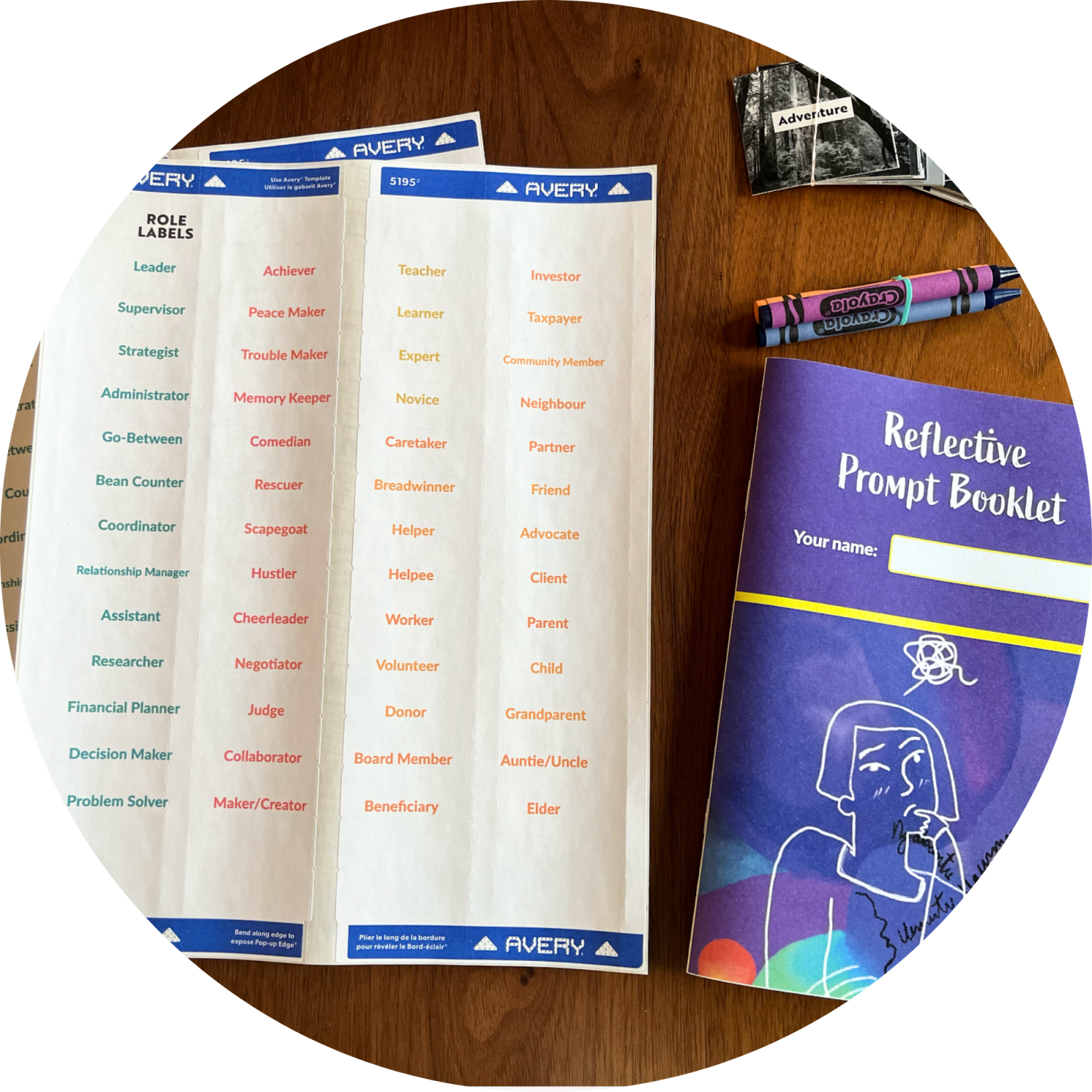
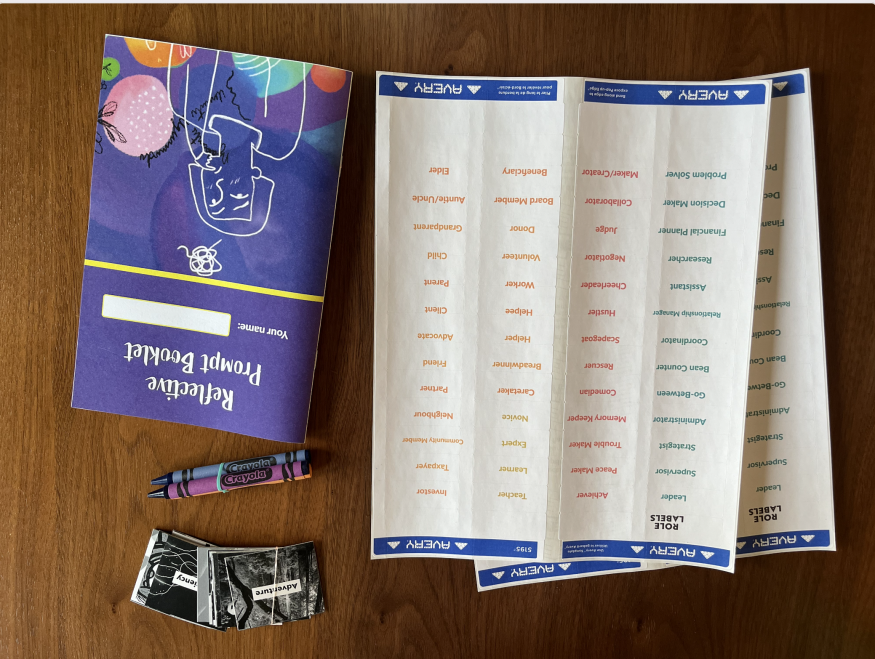
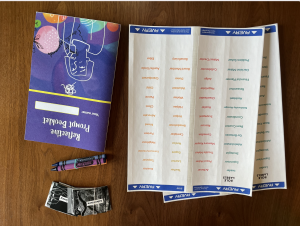
A set of case studies and reflective prompts to help bring fresh ideas and provocations into meetings, workshops, and trainings.
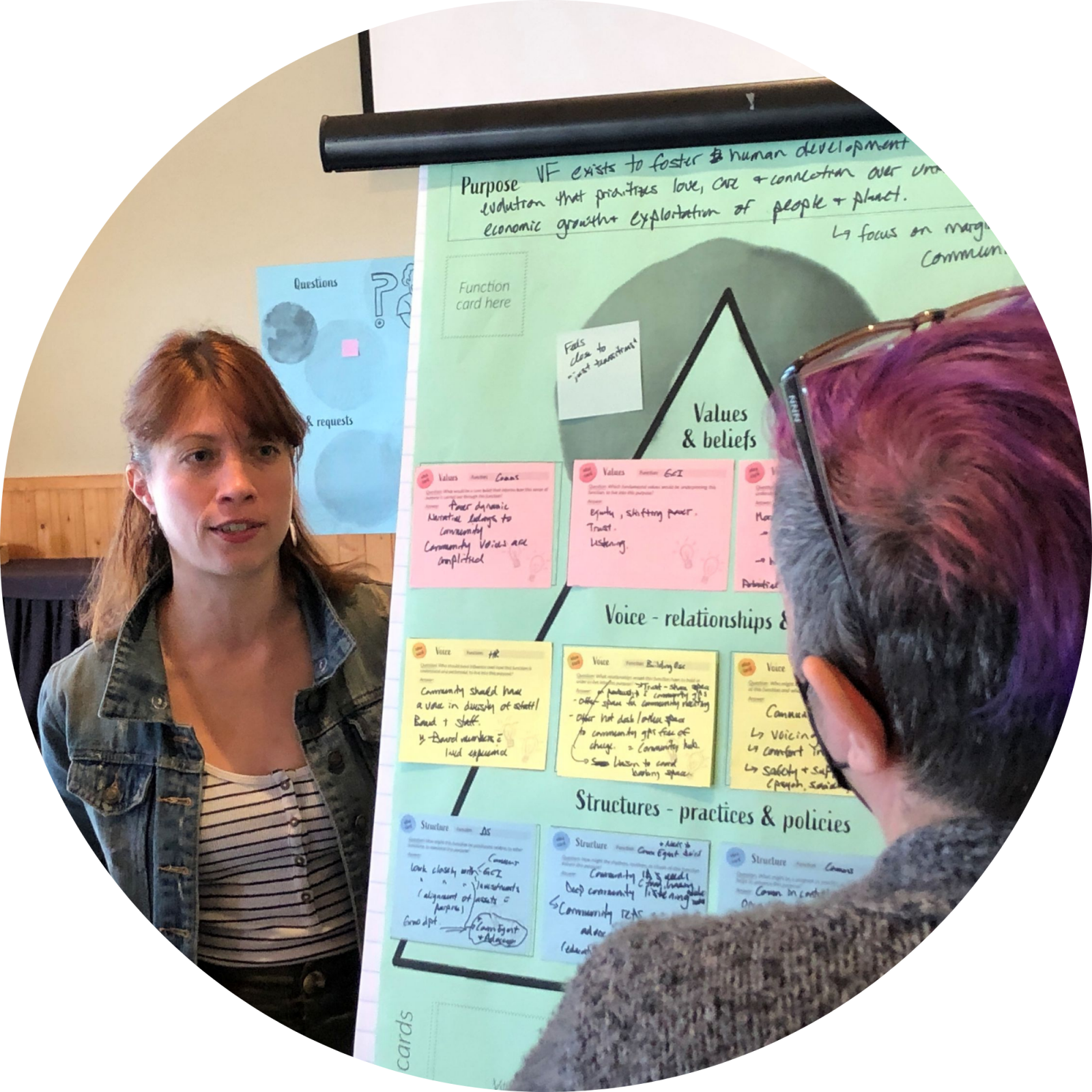
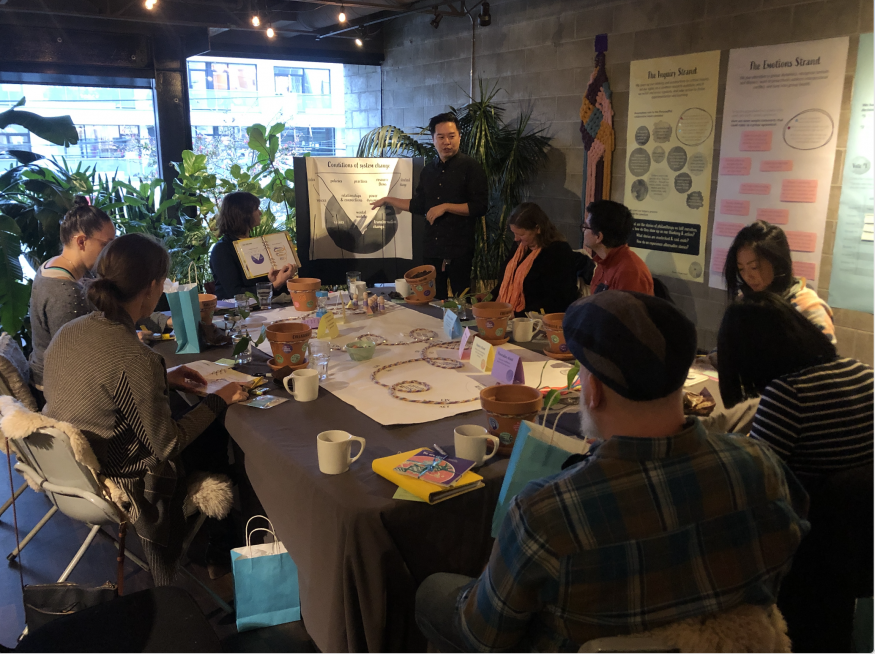
Customized cohorts and workshops to scaffold learning. Are you wanting to engage donors, board members, staff, grantees, or a blend of stakeholders? We can help to build customized learning journeys, online or in-person, using collaborative inquiry methods.
Uses
There’s a range of ways you might weave PurposePhil into your work:
- Engage board members and donors. Power dynamics are part of philanthropy. The way in which foundations build relationships with board members and donors can shape who holds control and how decisions are made. You can use PurposePhil materials as part of onboarding. You might think about hosting a podcast listening group, lunch-and-learn series, or reflective workshop to foster humility and mutuality.
- Bring staff together. Staff often come into philanthropy from very distinct non-profit, corporate, and banking worlds. You can use PurposePhil to build a shared picture of philanthropy, and open-up space to question assumptions and generate ideas for fresh practices. You might think about integrating materials into onboarding, staff meetings, and retreats. We can also help you design a collaborative inquiry cohort.
- Convene multi-stakeholder groups. Donors, investment advisors, board members, staff, and community organizations don’t often have an opportunity to convene in the same space, examine how the system of philanthropy works now, and how it could work differently. You can use PurposePhil to gather multi-stakeholder groups for action learning. We can support with facilitation and design tools that help groups experiment with different roles, resource flows, narratives, decision-making processes, and metrics.
Impact
- Organizational change. Over four years of deep partnership with Vancouver Foundation, 40 staff and board members engaged in collaborative inquiry groups and learning events, resulting in a renewed organizational purpose and fresh practices (from new granting streams to decision-making processes and tools).
- Shared language. In partnership with Community Foundations of Canada’s Transforming Capital Initiative, we brought PurposePhil content and learning prompts to more than 80 philanthropic actors across Canada through a series of virtual workshops and a multi-day, in-person retreat.
- Spread. As a free, open-source resource, PurposePhil materials are being stitched into college classes on non-profits and philanthropy and used as part of donor education.
FAQ
Why did we create PurposePhil?
We’ve learned philanthropy is far more than giving and granting: it’s a complex system held together by policies, practices, resource flows, relationships, power dynamics, values, and logics. While policies, practices, and resource flows are visible to spot, values and logics tend to be hidden beneath the surface. They are revealed through the stories we tell ourselves and the societal narratives we imbibe. Stories like what we do with our money matters more than how we make our money. Narratives like philanthropy is inherently good.
Simple stories and narratives obscure a more complex reality — like how the rise of capitalism, inequality, and institutional philanthropy are intertwined. To come to a shared understanding of our current reality and move towards philanthropic futures underpinned by equality, justice, self-determination, or [insert big idea here,] we must surface taken-for-granted stories and collectively compose new narratives.
That’s where we hope PurposePhil can play a role. We developed the content to raise our own critical consciousness and open-up space to wrestle with unfamiliar ideas. Through conversations with Indigenous & faith leaders, philanthropic practitioners, community changemakers, philosophers, historians, economists, critical theorists and artists, we challenged what we thought we knew and expanded the points of possibility. We did not come to an answer. Far from it. But, we have grown our curiosity, tolerance for discomfort, capacity for dialogue, and imaginative capacities. We believe this learning orientation is necessary for us to bring a new philanthropic system into being that both values all humans equally and the beauty of human difference.
What pain points does PurposePhil address?
Simple stories
Our society often operates with black and white narratives, such as “philanthropy is inherently good.” We seek to offer a more nuanced reality, and come together around a shared understanding of the flow of money, control, and benefits, in order to collectively reimagine how philanthropy can stand up for what’s right and pursue what’s good.
Undervaluing learning
We are steeped in a productivity-focused culture in which stepping back to examine assuptmions can be dismissed as “naval-gazing” and “a waste of time.” Learning is often instrumentalized – it’s only valuable if it leads to an immediate output.
We offer an alternative lens: learning as an core value and orientation, and one that is essential to systemic change.
Quick solutionism
Whether it’s starting a new granting stream or diversifying boards, many foundations feel a strong pull to just “do something.” The problem however, is that many solutions can inadvertantly keep the dominant structures and narratives in place.
We seek offer alternate narratives as an antidote to quick solutionism.
What makes this learning series unique?
PurposePhil is unique from the dominant culture because of our underlying principles that guide everything we do.
Learning is action – Learning is an active process that asks each of us for our presence, curiosity, courage, and humility. When we act without first daylighting our mental models, we risk reinforcing the status quo.
Welcome discomfort – We recognize discomfort as a necessary nutrient for learning & growth. Fear, worry, doubt, uncertainty, and resistance can offer us useful information, if we can listen rather than suppress or deflect these uneasy feelings. Change is as much an emotional as a rational act.
Love the gray – We resist black & white, either/or thinking. Instead of reductionism, we opt for complexity. Possibility emerges from honouring multiple ways of knowing, being, and relating.
Make space – We value questions over answers, and creative exploration over problem-solving. Critical inquiry and creativity require freeing ourselves from the pressure to deliver, fix, and produce.
Prototype everything – We view everything we do and make as works in progress. Instead of perfection, we prize continuous iteration and experimentation.
Practice mutuality – We desire a world grounded in mutuality and vulnerability, rather than power over others and control. To practice shared learning and two-way exchange, we have tried to ground PurposePhil in partnership and a co-creative ethos.
Why should I engage?
We are steeped in a productivity focused culture with little time or space to ask big questions and experiment with big ideas. “Less talk, more action” is a common refrain.
Instead, we’ve come to see learning itself as action, and as a core ingredient for systemic change. PurposePhil has been designed to strengthen our individual and collective capacity for critical thought and active imagination: two conditions for deep systems change.
Why do we believe systems change is necessary? Here’s what we’ve come to understand:
— Inequality is systemic
— Philanthropy is itself a system
— The system of philanthropy is intertwined with systemic inequality
— Systems don’t just live out there, but within each of us
— Systems change requires critical thought and active imagination
What’s the history of PurposePhil?
What first started as a project to test & tweak more equitable grantmaking practices has led to a multi-year learning journey to reimagine the system of philanthropy. Here’s the story of how and why.
2015 – 2018
In 2015, Vancouver Foundation introduced systems change granting, signaling a shift upstream towards funding solutions that addressed the root causes of complex social challenges. Three years later, an evaluation of this new granting stream indicated there was growing demand for and supply of systems change work, but that access was uneven, especially amongst rural, Indigenous, and historically marginalized communities.
2019
Vancouver Foundation formed a partnership with social design organization InWithForward to research, co-develop, and prototype alternative grantmaking practices that might shift power and control towards communities that had not benefited from systems change grants. Conversations with unsuccessful applicants and community leaders helped our partnership recognize that equity isn’t only about leveling the playing field. It’s about reckoning with whose field is being played on. We needed to dig deeper to excavate the root causes of power imbalances in grantmaking.
“What do we mean by systems change, and how do we go about it? Whose worldview are we using to define systems, and what should it look like moving forward?” – Joe Gallagher, Vancouver Foundation Board Member, 2019-2022
2020
In the Spring of 2020, as Covid-19 altered our reality, we observed systems change grantmaking practices: shadowing staff as they read and assessed applications, attending committee meetings where applications were discussed and decided, and interviewing key stakeholders. By summer, we compiled our insights into a publicly released report, identifying six barriers and six opportunity areas for change. We noted that the existential core of a community foundation is, perhaps obviously, community. Less obvious is what defines community and whose values drive decision-making. We asked: How might Vancouver Foundation surface the values and logics underpinning its flow of resources?
Read our first research report.
2021
Learning through experimentation is at the heart of a designerly approach to systems change. Rather than stay in the abstract, we prototyped a tool to surface dominant and alternative values and logics in the grant adjudication process. These ‘Flipp’in the logic’ cards were one way to make visible assumptions. And yet, we recognized the grant adjudication process was just one facet of philanthropy — and a very downstream one at that. The values and logics driving wealth accumulation, donor decision-making, tax credits, and investments remained out of sight. So we rescoped our partnership, zooming out from grantmaking to explore the whole system of philanthropy.
Download our Flipp’in the logic cards.
2022
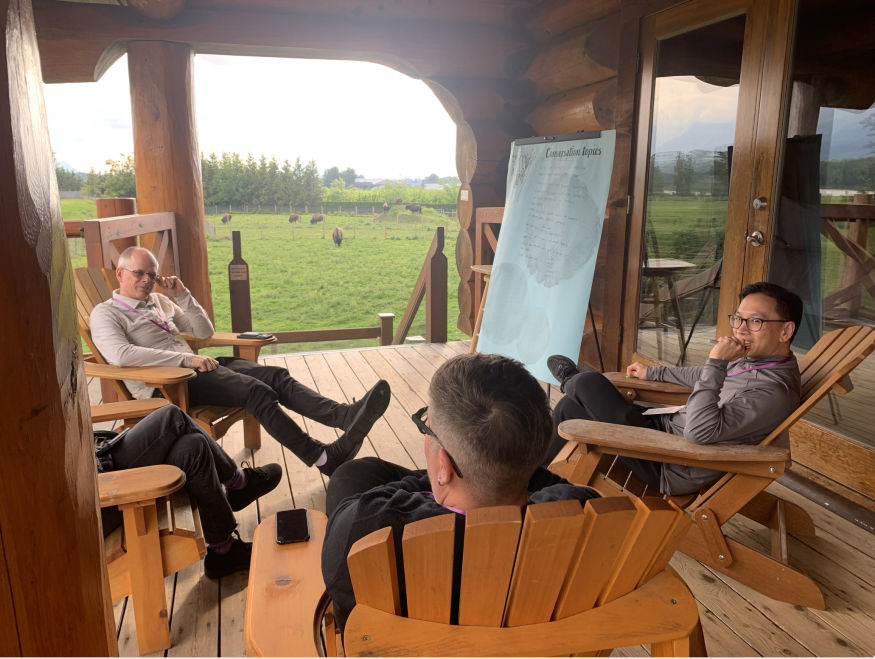
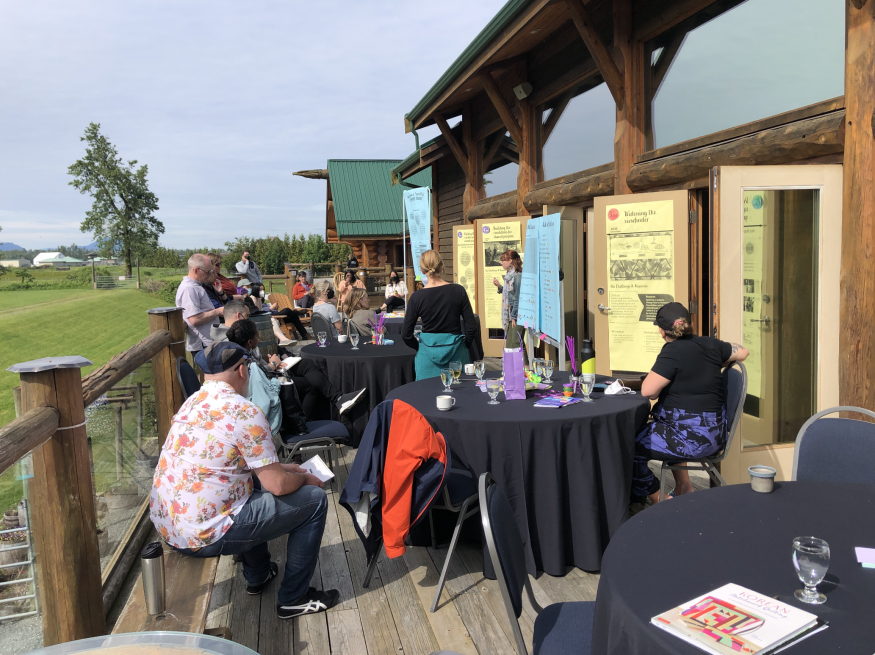
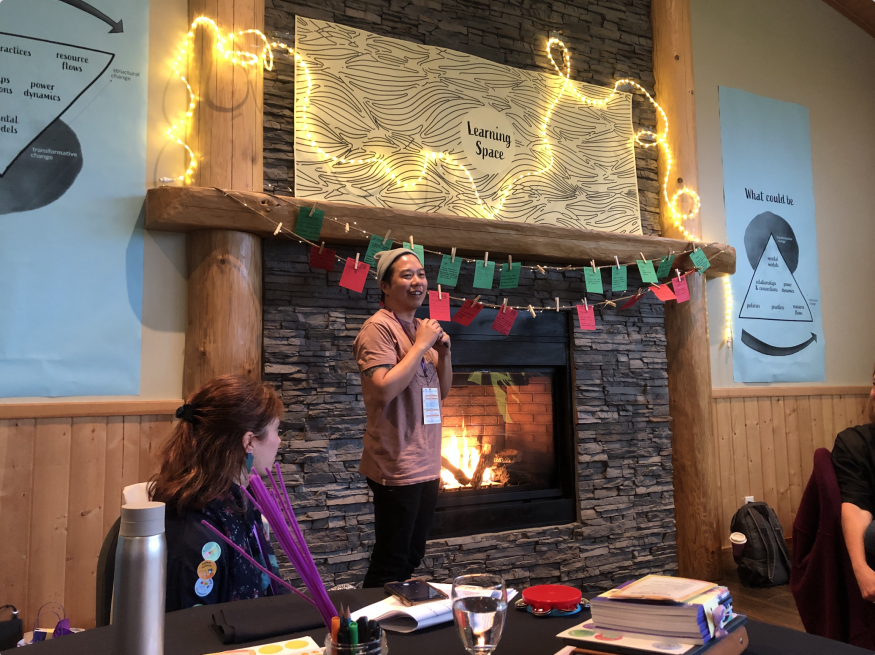
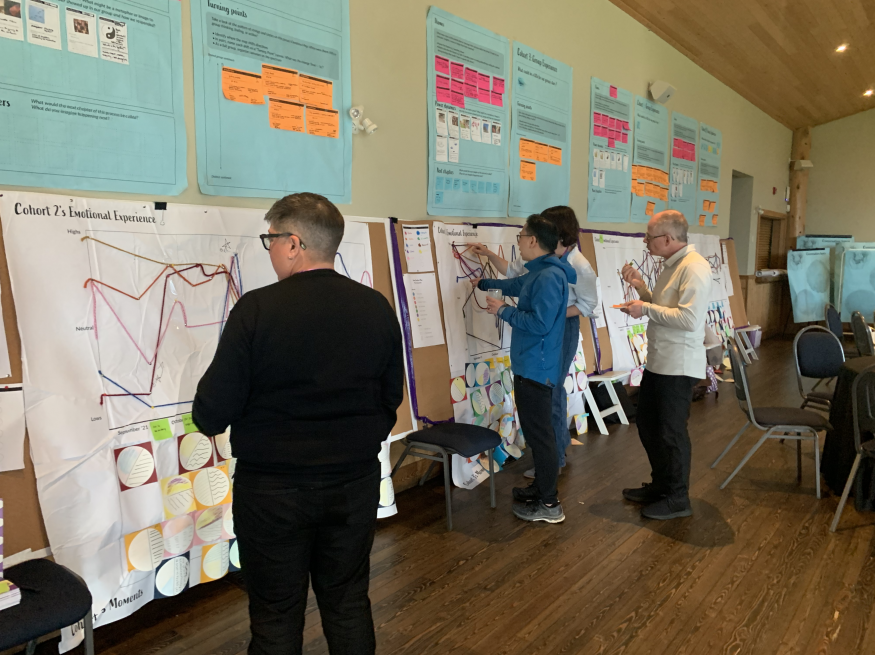
As we widened our viewfinder, we found we also needed to widen our approach. Values and logics are most often revealed through the stories we share. These stories may be repeated so frequently that they present as fact. Getting underneath entrenched stories and generating alternative storylines isn’t something we can do at the side of our desks; it requires time and space to be vulnerable, encounter different perspectives, engage in dialogue, and envision other realities.To enable Vancouver Foundation to carve out time and space, we formed learning cohorts. To introduce fresh perspectives, we developed a podcast series, a set of concept books, and reflective prompts. Over nine months, more than 35 staff, leaders, and board members joined six collaborative inquiry groups to engage with big questions and big ideas. This culminated in a two-day, cross-cohort retreat to reflect across departments & imagine future purposes.
2023 – 2024
Systems change work isn’t easy. It takes a lot of energy to sustain momentum. To keep what is long-term work going, we turned the baton over to a next iteration team within Vancouver Foundation, who continue to hold the space for deep purpose work. At the same time, we’ve been packaging all of our learning materials for use both within Vancouver Foundation and beyond. Our hope is that PurposePhil can be a rich resource for you (and perhaps your organization’s) own learning journey. Bon Voyage!
Try this model
Workshops
Want to book a workshop, presentation, or guided conversation?
Learnings Cohorts
Interested in setting up a learning cohort in your context?
Feedback or ideas?
We love open dialogue and two-way exchange!
Photos


Publications
-
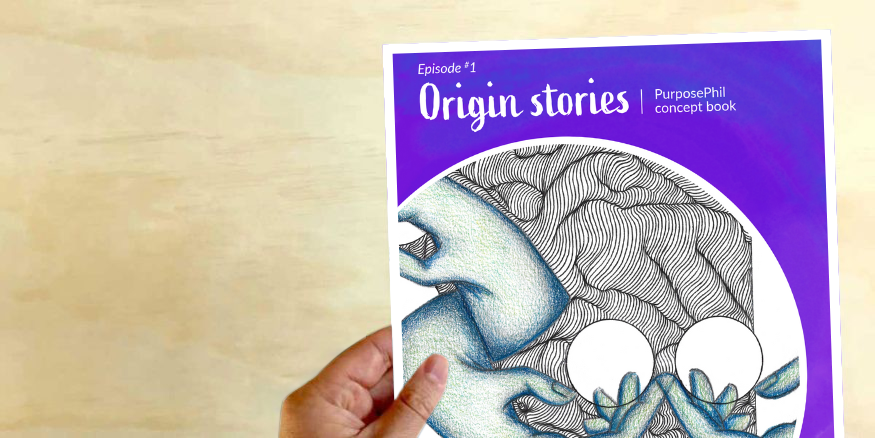
Origin Stories – PurposePhil Concept Book #1
Learn how philanthropy emerged from increasing inequalities & agricultural surpluses.
-
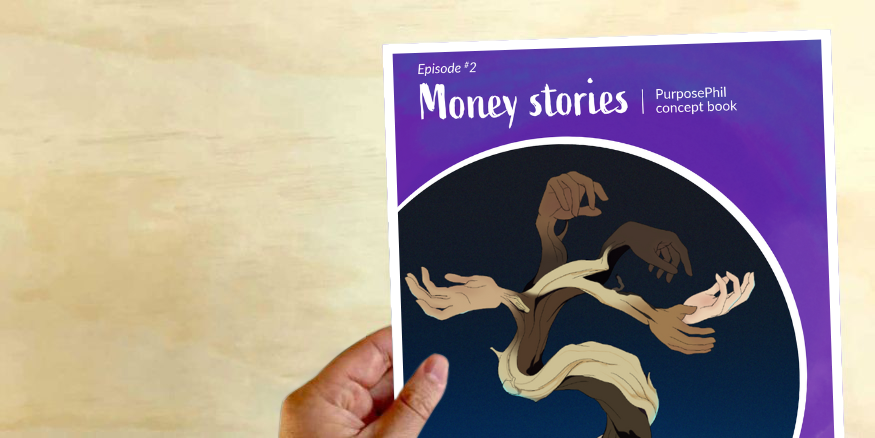
Money Stories – PurposePhil Concept Book #2
Examine the structure of philanthropy and how that structure shapes form and function.
-
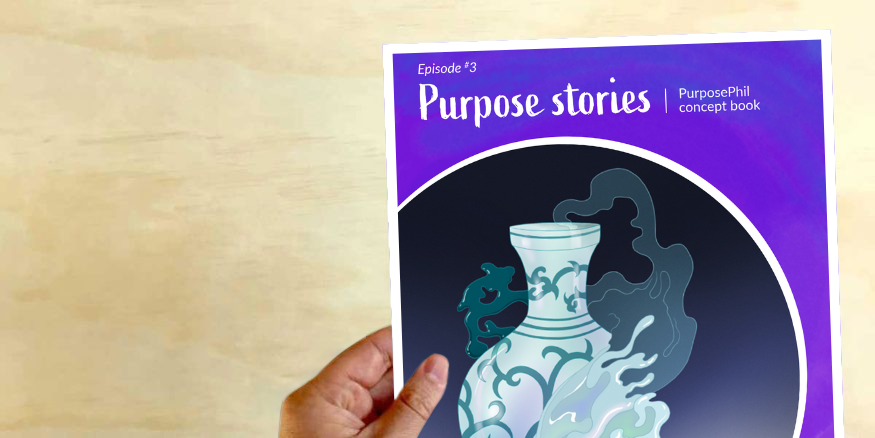
Purpose Stories – PurposePhil Concept Book #3
Explore what it might look like to re-purpose philanthropy towards alternative ends.
-
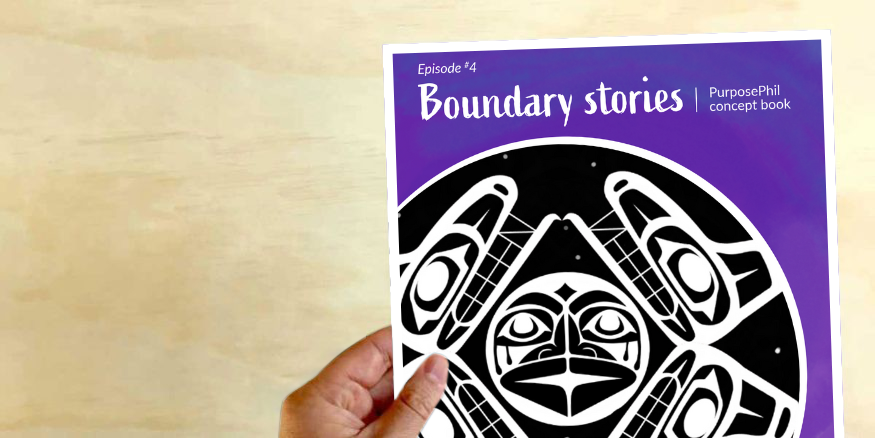
Boundary Stories – PurposePhil Concept Book #4
Probe the relationship between foundations and the communities they 'serve.'
